★ Beat print – get early access to the news by signing up to the Sporting Gun newsletter here ★

When to retire an older gundog: Signs, ages and how to make their final seasons count
Howard Kirby explores one of the most difficult moments any handler faces: knowing when to retire an older gundog. Drawing on decades of experience training and working dogs in the shooting field, he explains the signs to watch for, the ages at which most working dogs begin to slow down, and how to ensure they enjoy a fulfilling life after their final season.
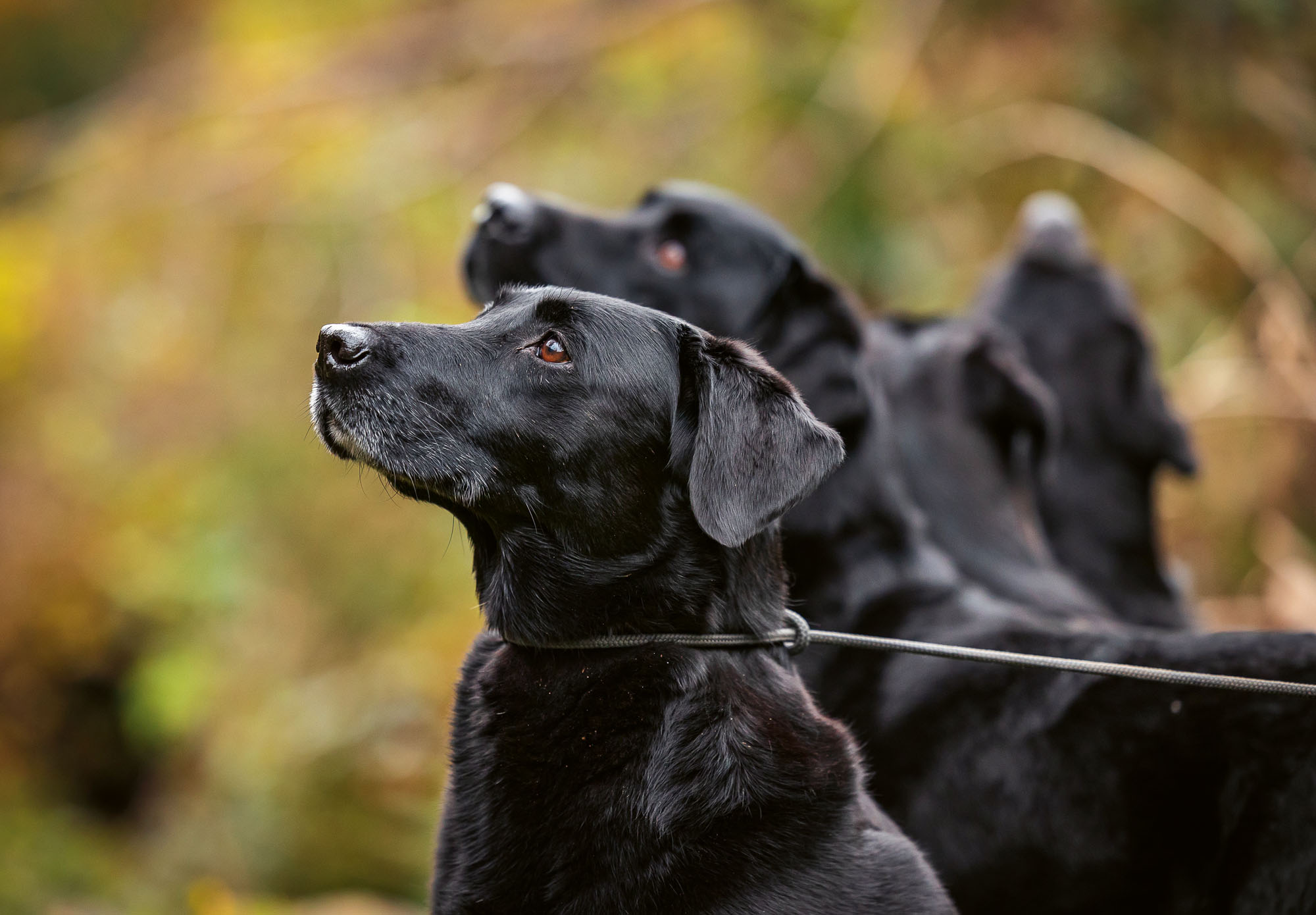

Understanding when a working dog nears retirement
It’s never an easy decision to retire a shooting companion. Anyone who has worked a gundog in the field understands the depth of the bond involved. It’s a connection built on trust, partnership, training and a shared love of the day’s work. Many of us have heard the familiar accusation, “You think more of that dog than you do of me,” and, to be fair, it’s not entirely unfounded.
There is pride in seeing a dog you’ve trained pick birds cleanly, hunt with purpose or sit rock-steady on the peg. That pride makes the decision of when to retire a gundog both easier — because you know them so well — and infinitely harder, because the thought of stepping into the field without them never feels quite right. Yet sooner or later, retirement comes for every working dog.
Early retirement: When youth isn’t on their side
Occasionally, a dog’s career is shortened for reasons other than old age. Behaviours such as gun shyness or a hard mouth may make a youngster unsuitable for the shooting field, although many dogs do overcome these issues with careful management and professional help. Injury or illness can, however, bring early retirement with little warning, and honest discussions with your vet are essential when considering a dog’s physical limits.
The type of work your dog does also affects longevity. Peg dogs, who spend much of the day sitting and retrieving between drives, often remain active longer than hard-hunting spaniels, Labradors working thick woodland, or pointers and setters quartering moorland at speed. For some, a gentle transition from hunting dog to peg dog buys them a few extra seasons — though highly driven dogs sometimes find sitting still far harder than covering miles of hill.
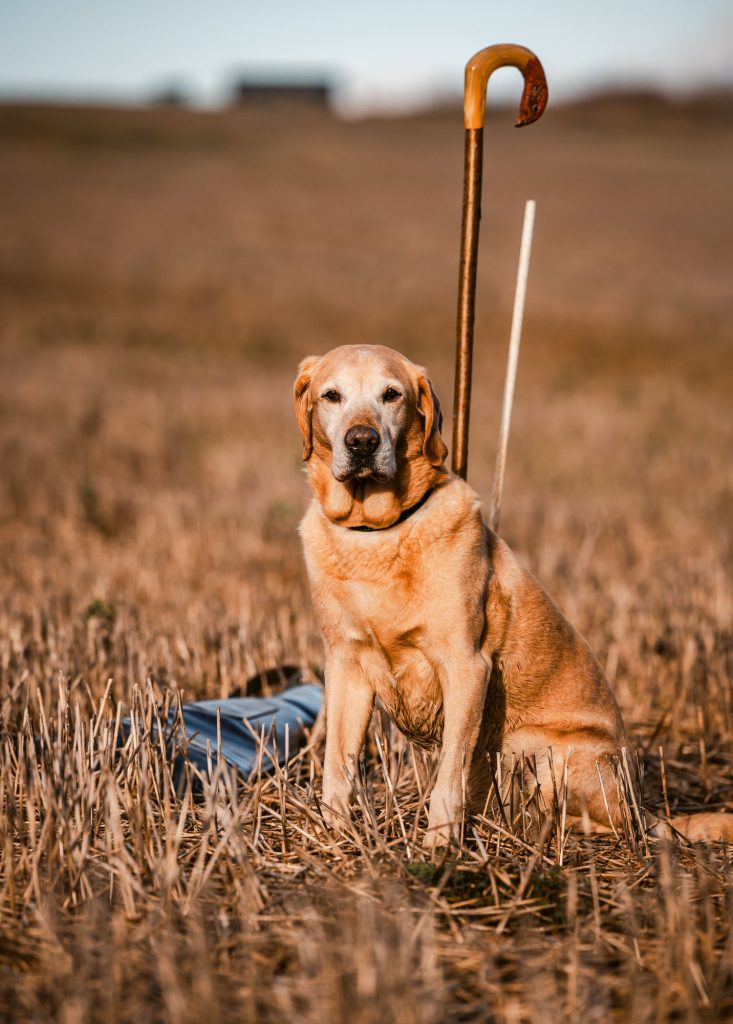
Old age: Recognising when a gundog is slowing down
The most reliable indicators that a dog is nearing retirement are almost always physical. Stiffness after a day’s work, reluctance to jump into vehicles, hesitation at obstacles that once caused no concern — these are the early signs. Most gundogs will mask discomfort for as long as adrenaline carries them, so by the time you notice stiffness, it may already be well-established.
Cloudy eyes, diminished hearing, excessive panting even in cool weather, confusion over familiar commands, or a reluctance to enter cold water all signal that a working career may be drawing to a close. Once-sharp retrievers may start missing marks or lose focus. A bold grouse dog may begin favouring your heel rather than ranging ahead.
When these signs appear, timing becomes everything. Many handlers prefer their dogs to finish on a high — perhaps with a few easy days late in the season — rather than pushing them to the point where the day becomes a strain rather than a joy.
What age do working dogs retire?
Most gundogs retire between 8 and 10 years old, though this varies widely. A lightly-worked peg dog may happily retrieve until 11 or 12, while a hard-driving spaniel or pointer that has spent years battling thick bramble, steep ground and cold water may slow down far earlier, sometimes at 6–7 years old.
Breed, workload, genetics and general health all play a part. Some smaller breeds age faster; some highly athletic dogs seem to work with enthusiasm long after their peers have slowed. Retirement, therefore, is not an age — it is a condition.
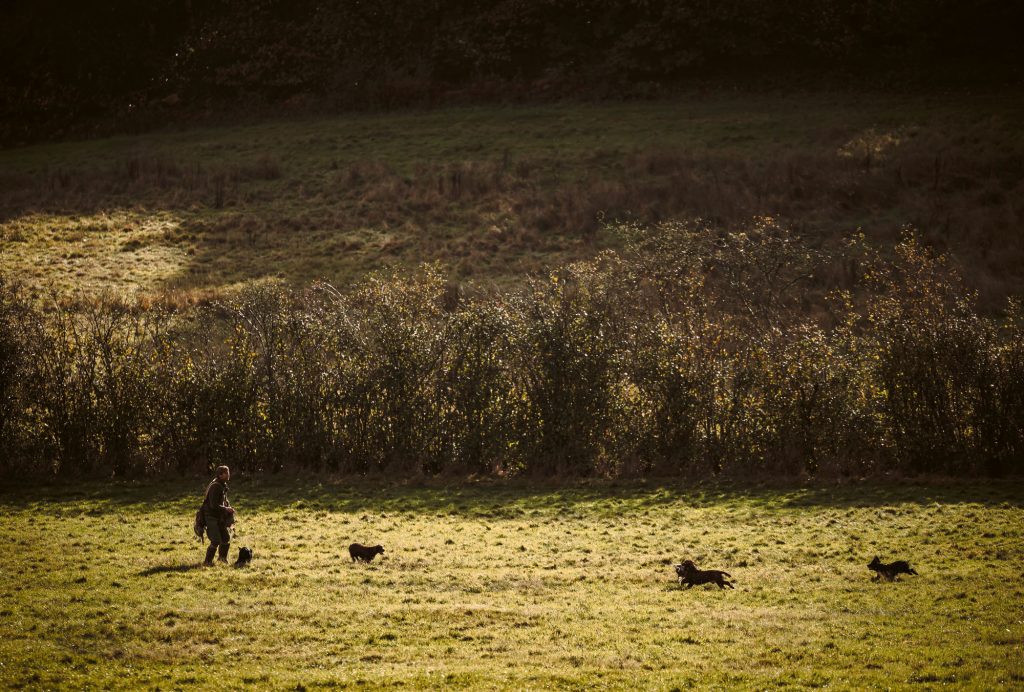
What age do most gundogs pass away?
The average lifespan of a working gundog is typically 10–14 years, depending on the breed.
Labradors and spaniels commonly reach 12–14, while flatcoats and some larger breeds live closer to 10–12. Working dogs, kept lean, fit and mentally stimulated, often age better than sedentary pets — but years of physical exertion can also leave their mark.
Knowing the average lifespan helps guide retirement: many handlers prefer to give their dogs at least a couple of comfortable “sofa years” free from tough winter days.
What age is considered old for a working dog?
For most gundogs, 8 years old is when they begin to be considered “veteran” working dogs.
This is when subtle changes appear: stamina drops, recovery takes longer, joints begin to stiffen and enthusiasm must be balanced against ability. Some dogs are still extremely capable at this age; others show the first signs of slowing down.
The key is honest assessment: an “old dog” is not measured in birthdays but in mobility, sharpness and resilience.

Life after retirement: Keeping a former gundog happy
Retired gundogs usually slide into pet life with remarkable ease. They enjoy gentle walks, short retrieves, relaxed days by the fire and the comfort they’ve more than earned. But highly driven, intelligent dogs still require stimulation — or they become bored, grumpy, or mischievous.
Simple enrichment helps enormously:
- Scent games using hidden treats or toys
- Puzzle feeders and snuffle mats
- Leisurely walks on new routes
- Swimming for low-impact exercise
- Light training sessions to revisit skills
- Calming routines such as dog-safe stretches or massage
Many older dogs also excel as mentors to younger dogs or as therapy animals visiting schools, hospitals and care homes. Their calm presence and gentle confidence bring comfort and joy in ways they may never have done in the shooting field.
Companion homes for retiring gundogs
Some handlers choose to retire older working dogs into companion homes, especially if they run busy kennels. Many dogs settle instantly into a quieter, pampered lifestyle and continue to enjoy gentle work for several more years. These companion homes provide a rewarding second chapter, and well-trained older gundogs are often in high demand.
A final word on retiring your gundog
Retirement is never a single moment — it’s a gradual, compassionate shift. Most dogs will tell you when they’re ready if you watch carefully enough. Whether you ease them out slowly or decide on a clear final season, the goal is always the same: to ensure dignity, comfort and a good quality of life after the years of loyalty and hard work they’ve given you.
Related Articles
Simulated game shoots to visit this summer
Great sport, good company and first-class hospitality are the hallmarks of a successful simulated day. Here, Sporting Gun rounds up some of the best on offer
By Sporting Gun
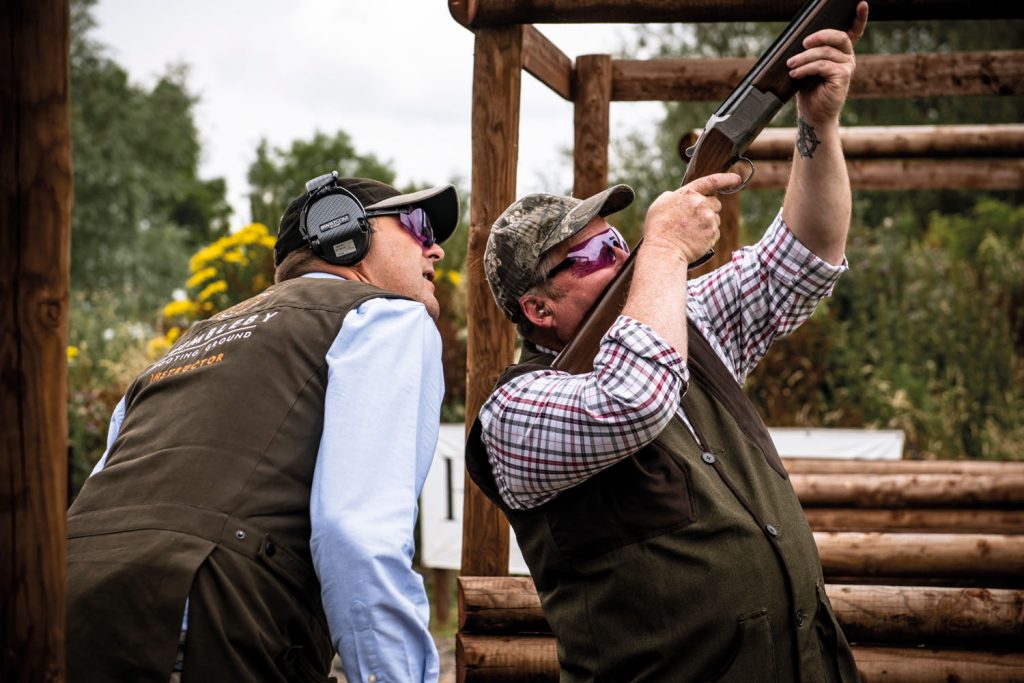
Thimbleby Shooting Ground: clays, sim game and tuition in Yorkshire
Set against the dramatic backdrop of the North York Moors National Park, Thimbleby Shooting Ground blends challenging clays, simulated game and renowned Yorkshire hospitality. Jasper Fellows explores ...
By Sporting Gun
Get the latest news delivered direct to your door
Subscribe to Sporting Gun
Sporting Gun has been the trusted voice of the shooting community since 1978, and a subscription is the best way to make sure you never miss a word of it.
For just £3.75 an issue – 46% less than the newsstand price – you’ll receive Britain’s leading shooting magazine delivered to your door before it hits the shelves. Every issue is packed with expert gundog training advice, in-depth shotgun and cartridge reviews, technique features from professional shots, pigeon and wildfowling coverage and the people and stories that define the sport.
In a world of endless scrolling, a magazine is something different – a moment to slow down, read properly and absorb knowledge that makes you a better shot. Back issues become a reference library worth keeping.