★ Win a HÄRKILA Kenmore shooting waistcoat worth £299.99! Click here to enter ★

How to transition your gundog from training dummies to the shooting field
A practical guide by Howard Kirby on how to successfully transition your gundog from controlled training with dummies to reliable performance in the shooting field, including steadiness, shoot-over training days and avoiding common first-season mistakes.
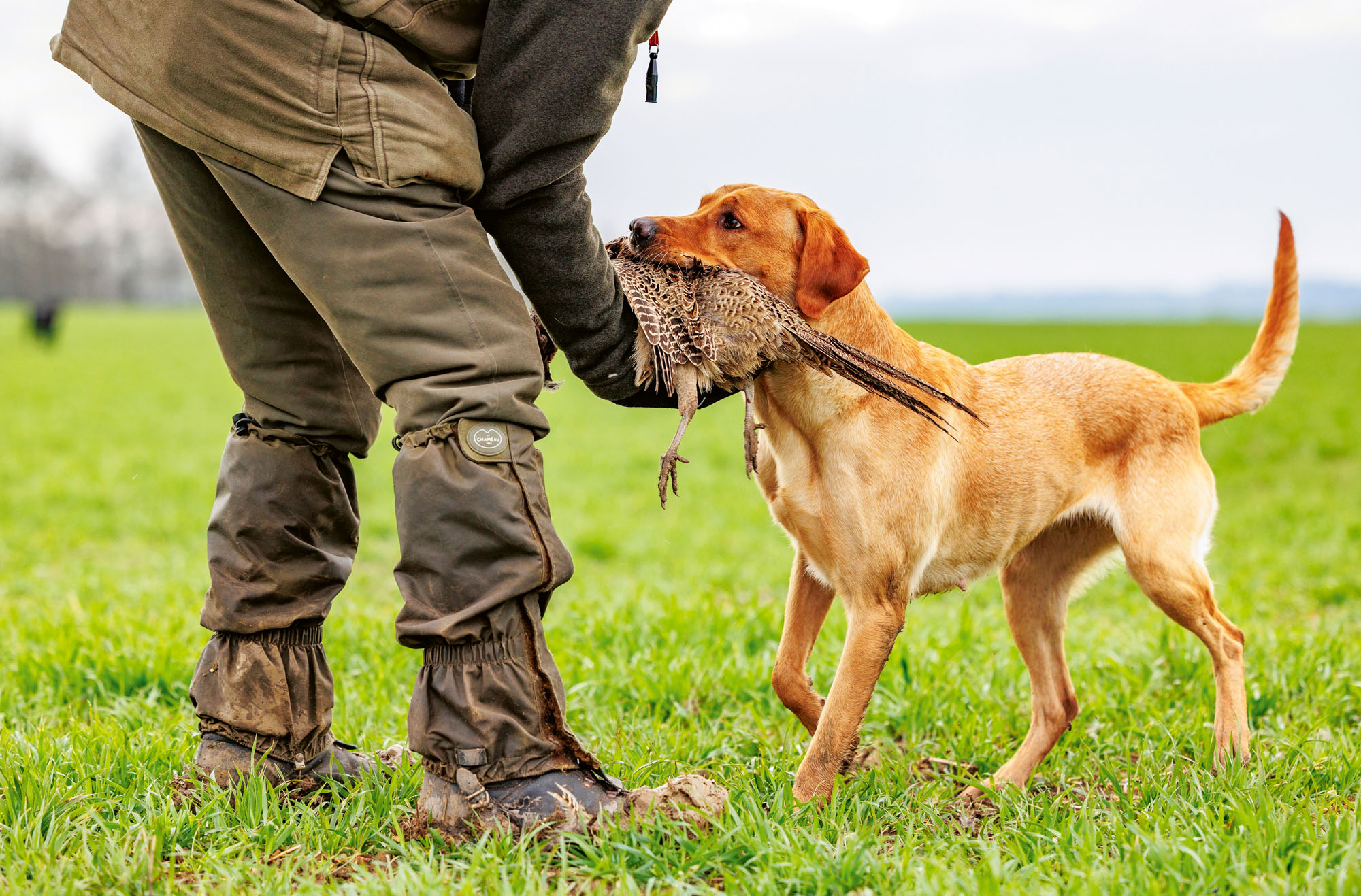

Transitioning a gundog from training scenarios to real game days is one of the most important – and often most overlooked – steps in producing a reliable shooting companion. Many handlers spend months to years building strong foundations with dummies, only to see that hard work unravel on their dog’s first day in the field. As the new season gets underway, now is the ideal time to focus on helping your gundog make that crucial leap from controlled training to the excitement of live-game retrieves.
Why the transition from dummies to game matters
Left to their natural instincts, most dogs will simply eat any accessible game. This is why structured, layered training is vital. A solid retrieving progression – from puppy dummies, to fur and feather, to cold game, and finally freshly shot birds – lays the groundwork for reliability in the field.
But the final step, moving from cold game to real game under shooting conditions, is where many young dogs become overwhelmed. Noise, movement, excitement and the scent of warm game create conditions that can easily produce unwanted behaviours if not introduced correctly.
Choose training days carefully
Today’s handlers are fortunate to have access to a wide range of shoot-over training days. However, not all training days are created equal. It is essential to choose one run by an experienced professional who understands how to build a dog’s confidence while protecting the training you’ve already established.
A well-managed day ensures your gundog encounters retrieves appropriate for its stage of development. Experiences that exceed the dog’s “pay grade” – whether on a training day or a live shoot – risk undoing months of careful groundwork.

Building steadiness to shot and fall
One of the biggest challenges when transitioning to the shooting field is teaching steadiness. Dogs quickly learn that gunshot equals retrieving opportunity, and if mismanaged, this can lead to overexcitement, whining, or running-in.
To prevent this, maintain training patterns that teach your dog not every shot results in a retrieve. At Mullenscote, for example, early thrown dummies are paired with a loud hand clap, later replaced by starting pistols and finally shotguns. This controlled progression builds expectation without overstimulation.
Reinforcing core obedience in realistic setups
Before entering the shooting field, your dog should already understand:
- Sitting calmly at heel
- Staying steady to thrown dummies
- Taking straight lines and ignoring distractions
- Delivering cleanly to hand
- Responding accurately to left, right and back commands
Vary distances, timing and difficulty to avoid predictable patterns that encourage anticipation. Too much repetition teaches the dog to run in before being sent – a habit that can be difficult to undo.
If running-in does occur, interrupt the behaviour. Step in front to block, use a lead check, or have an assistant remove the dummy as the dog breaks. The dog quickly learns that running-in never results in success.
Using multiple retrieves to build patience
Multiple retrieves thrown with accompanying gunshot can be invaluable. Leave the dog sitting, walk out to collect one dummy, and return to heel. Better still, have the “shooter” bring the dummy back. This reinforces the dog’s understanding that the person with the gun has significance, and that retrieves only come with permission – not whenever something falls.
Never jump straight from dummies to freshly shot game
A common mistake is expecting a dog to handle its first game retrieve on its first shoot day. This is a recipe for swapping, hard mouth, overeagerness or even eating birds. The transition must happen before entering a proper shoot day through cold game, shot-over training days, and supervised live retrieves in controlled environments.
Making the first season count
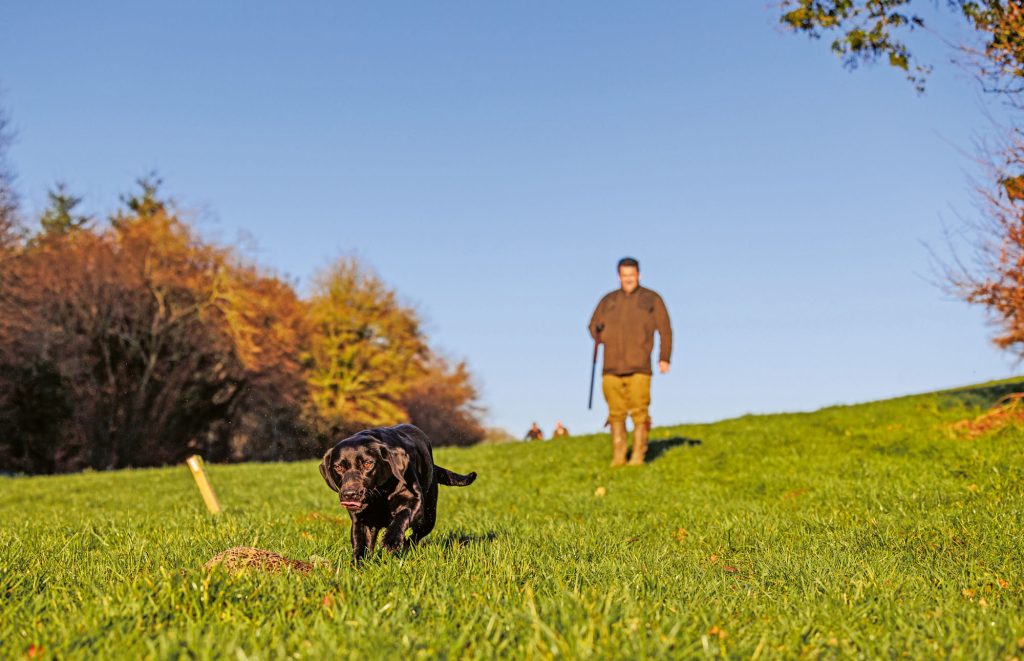
During a dog’s first season, less is more. Stay back from the guns. Avoid chaos. Give your dog only a handful of short, clean retrieves where you can see everything and intervene when necessary. Do not send the dog into a sea of falling birds — this invites swapping and confusion.
Shoot-over training days are ideal for reinforcing earlier lessons in real conditions: sit, wait, move away, ignore the excitement, and only retrieve on command.
Conclusion: A calm first season sets up a lifetime of reliable work
A gundog’s first season should be carefully managed, calm and confidence-building. With the right preparation — steadying exercises, controlled exposure to shot, appropriate training days and gradual introduction of game — your dog will transition smoothly from dummies to the shooting field.
A measured approach now will produce a steady, reliable, focused gundog for many seasons to come.
Related Articles
Clay Shooting Classic and Sporting Gun Clubman return
Two long-dormant clay shooting competitions, the Clay Shooting Classic and the Sporting Gun Clubman Championship, return to Eaton Hall Shooting Ground in Derbyshire this October, with shooters able to...
By Sporting Gun

High Lodge Shooting Ground: clay shooting in Suffolk
Seven-time world champion John Bidwell built High Lodge in Suffolk to match the finest grounds he had shot in his career, and today his family carry on that vision with world-class clays, expert tuiti...
By Ben Palfreyman
Get the latest news delivered direct to your door
Subscribe to Sporting Gun
Sporting Gun has been the trusted voice of the shooting community since 1978, and a subscription is the best way to make sure you never miss a word of it.
For just £4.99 an issue – 37% less than the newsstand price – you’ll receive Britain’s leading shooting magazine delivered to your door before it hits the shelves. Every issue is packed with expert gundog training advice, in-depth shotgun and cartridge reviews, technique features from professional shots, pigeon and wildfowling coverage and the people and stories that define the sport.
In a world of endless scrolling, a magazine is something different – a moment to slow down, read properly and absorb knowledge that makes you a better shot. Back issues become a reference library worth keeping.