★ Beat print – get early access to the news by signing up to the Sporting Gun newsletter here ★

From foams to custom moulds: the shooting ear plug upgrade path
From cheap foam plugs to bespoke custom moulds, shooting ear plugs come in clear tiers. This guide breaks down the upgrade path, explaining who each type suits, when it makes sense to move up, and how to choose protection that actually fits the way you shoot.
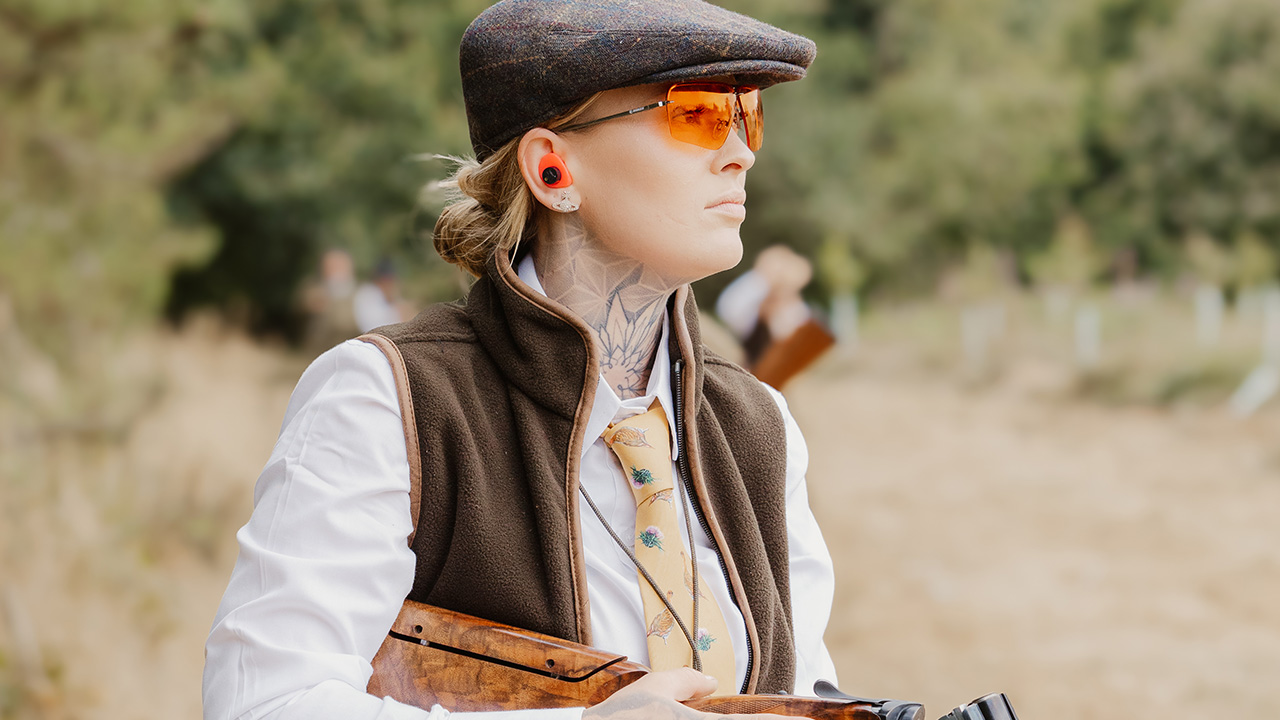

At any clay ground or game shoot you’ll see every type of shooting ear plugs being used. Whether that be free or cheap foams, all the way up to custom moulded silicone ear plugs that are bespoke to the wearer.
This article looks at four tiers of ear plugs. The aim isn’t to push everyone to the top rung. It’s to help you see where you sit now, what the next sensible step looks like, and when it’s worth making that move.
Tier 1 – Foam ear plugs
Foam plugs are the entry point for most shooters.
They’re cheap, easy to find and simple to hand to a guest who turns up without anything. Used properly, they can give surprisingly good protection for occasional use. Used badly, they give very little protection at all.
The weak point is usually how they’re fitted. Many people just squash the plug between finger and thumb and poke it into the ear. Half of it ends up sticking out, allowing sounds to enter the ears and cause damage.
It’s worth learning the right technique. Roll the plug into a tight, smooth cylinder, not a wrinkled lump. Reach over your head with the opposite hand, gently pull the top of your ear up and back, and slide the plug in. Hold it in place for a few seconds while it expands.
When it seats properly, most of the plug is inside the ear, not hanging out. You should feel a firm but not painful seal, and the world will instantly sound quieter and slightly muffled. If one ear sounds very different from the other, redo the poorer side.
Foam plugs do have a place. They’re ideal as backups in pockets and gloveboxes. They’re fine for the very occasional gun who pops out a couple of times a year. They’re also handy under other protection when you need extra help in very loud situations.
But for anyone who shoots regularly, they’re a starting point rather than an end point.
Tier 2 – Reusable ear plugs
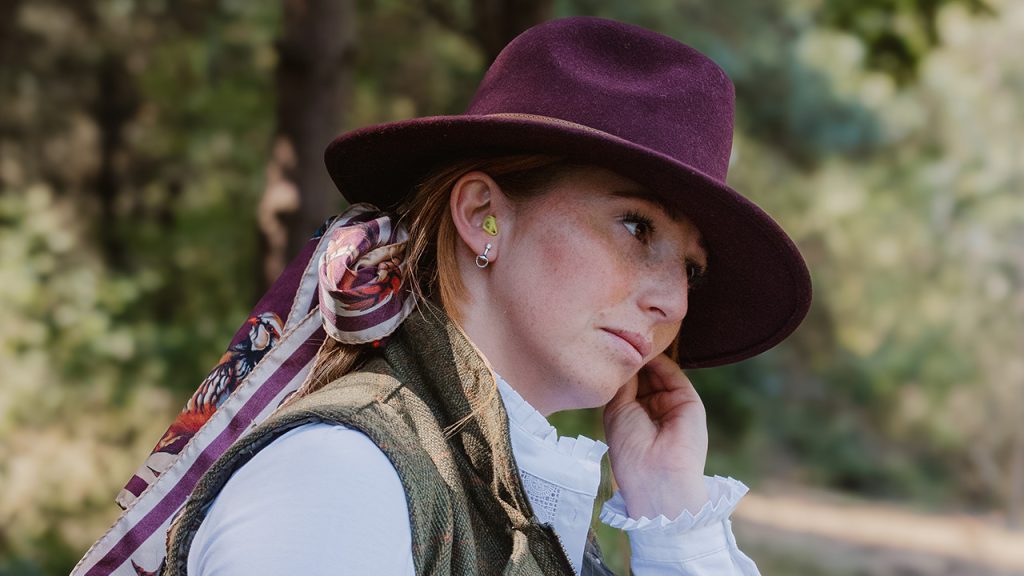
The next logical step is reusable universal ear plugs.
These are usually made from soft silicone or similar material, often with fins or flanges to help them sit securely in the ear. Many include a small filter inside that takes the harsh edge off loud noise while letting more of the world come through in a natural way.
For a lot of shooters, this is the first real improvement in day‑to‑day comfort.
Reusable plugs hold their shape, so you don’t have to roll them down each time. Once you’ve found the right size and got used to the feel, they tend to go in the same way every time. Because you’re not throwing them away after each use, they work out cheaper over time than constantly opening new foam pairs.
The filtered designs are particularly useful on clay grounds, rough days and walked‑up outings. You can still hear your squad, the referee, the trapper and the horn, but the sharp crack of the shot is reduced. You keep more situational awareness than you ever will with basic foam.
Fit is still important. Many sets come with several sizes of tip. It’s worth trying each at home until you find the size that gives a good seal without pressure. A plug that is too small will slip or leak; one that is too large will hurt and end up “accidentally” left out.
Reusable plugs suit people who shoot a few times a month and want something light, neat and simple. They don’t take up much space, they cope well with hats and hoods, and they’re easy to keep in a pocket or cartridge bag so you’re never caught without them.
Tier 3 – Electronic Ear Plugs
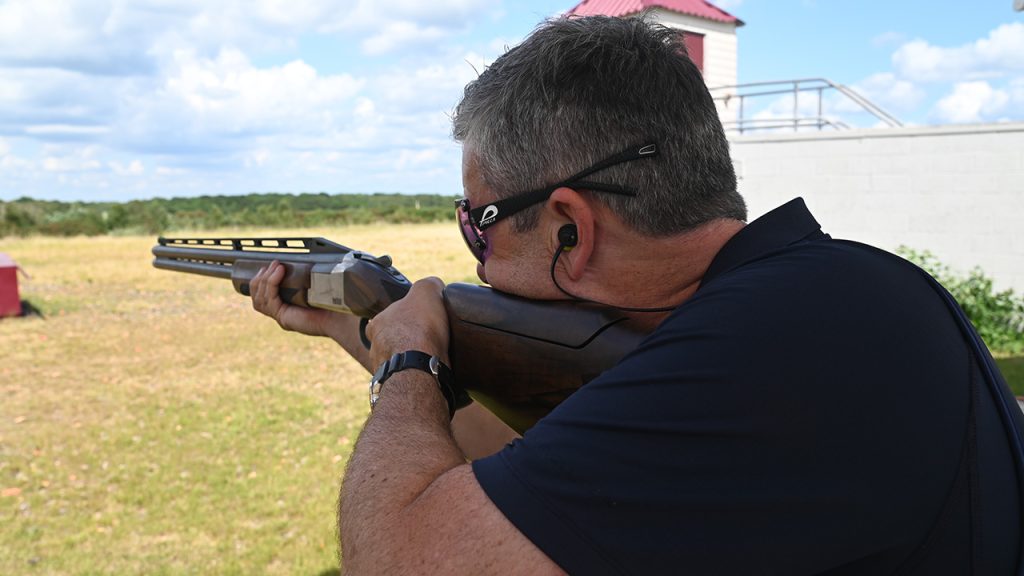
Electronic shooting ear plugs are where things start to get clever.
Instead of simply blocking sound, they use tiny microphones and internal electronics to manage what reaches your ear. In normal conditions they let through, and often gently amplify, everyday sounds. When a shot goes off, they react almost instantly and cut down the dangerous peak.
In practice that means you can stand on a busy layout or game drive and still hold a conversation in a normal voice. You can hear the horn, the call of “pull”, dog bells, beaters’ shouts and the rustle of wings. But when you fire, the crack is heavily tamed.
This makes a huge difference to how relaxed you feel, especially on longer days. Instead of bracing yourself against every shot, you can concentrate on your mount, your lead or reading the birds. The constant flinch against noise simply goes away.
Because electronic plugs sit in the ear rather than over it, they work well with caps, beanies, hoods and helmets. They don’t hit the gun stock. They don’t make your head hot in summer. They’re a good option for people who can’t get on with anything that clamps around the ear.
When you look at electronic plugs, there are a few details worth paying attention to:
- Response time – how quickly they react to loud noise. You want them to catch the sharp edge of the shot, not just the tail end.
- Sound quality – some cheap designs make everything sound tinny or harsh. Better sets give clear, natural speech and directional cues so you can still tell where sound is coming from.
- Battery life and charging – think about whether you want replaceable batteries or a rechargeable case, and how that fits with long weekends or trips away.
- Controls – small buttons or dials can be fiddly with cold hands. Simple, obvious controls are worth their weight in gold on a wet January drive.
Electronic ear plugs suit a wide variety of shooters. Regular clay shooters, people who spend whole days on the peg, instructors, keepers and pest controllers all benefit from being able to hear clearly while still being protected.
They are more expensive than simple reusable plugs, but if you divide the cost by the number of days you use them each year, they often work out as one of the best investments you can make in your shooting.
Tier 4 – Custom Moulded Ear Plugs
Custom moulded ear plugs for shooting are the top tier.
Instead of relying on standard sizes, these are made from impressions taken of your ears. A fitter inserts a soft material into the ear to capture its exact shape. That impression is then used to create plugs that follow every twist and turn of your ear canal and outer ear.
You can get custom plugs in many forms: passive, filtered or electronic. The common factor is that they are built to your ears alone.
The big benefit is comfort and consistency. Because the plug matches the shape of your ear, it spreads pressure evenly. Once in place, it tends to stay there without gradually working loose. This makes a real difference over a long day on the clays, a full season on driven game, or a series of late nights on pest control.
Custom plugs are also discreet. They sit flush or close to it, so they don’t interfere with hats, ear flaps or hoods. For wildfowling, rough shooting or stalking, that low profile can be very appealing.
The main drawback is cost. You’re paying for the fitting session and for bespoke manufacture. You also need to be more careful not to lose them. Dropping a custom plug in long grass or a muddy track is a sinking feeling.
Custom‑moulded options make most sense for people who shoot very regularly. Competition clay shooters, instructors, guides and keepers all gain from having something they can wear all day, several days a week, without discomfort. For them, the investment often pays for itself in reduced fatigue and greater willingness to protect their ears properly.
Who belongs on which tier?
Thinking in tiers makes it easier to see where you are and where you might go next.
- If you shoot once in a while, and most of your outings are gentle, social affairs, well‑fitted foam plugs can do the job for now. The key is to use them correctly and replace them often.
- If you shoot a couple of times a month and want to hear what’s going on around you, reusable filtered plugs are a very sensible baseline. They’re comfortable, easy to live with and robust.
- If you’re out most weeks on clays, game or pest control, electronic ear plugs become very attractive. They take the strain out of long, noisy days while still keeping you connected to the world around you.
- If shooting is a major part of your life, or even your work, custom‑moulded plugs – passive or electronic – are worth serious thought. They give you the best chance of turning up, day after day, without your ears complaining.
There isn’t a single “right” tier for everyone. The question is whether your current position on that ladder still matches the amount and type of shooting you actually do.
Planning your upgrade
Once you’ve worked out roughly where you sit, it helps to make a simple plan.
Start by being honest about your season. Roughly how many times a year are you around gunfire? How many of those are long days? How many involve other people shooting nearby as well as you?
Next, look at what you’re using now. Do you wear it every time you should, or do you forget it for small days and quick sessions? Do your ears ring after a busy day? Do you ever take your plugs out because they’re uncomfortable or you can’t hear instructions?
If you find yourself answering “yes” to those questions, you’ve got two options: either get much stricter with your current kit, or move up a tier to something that fits your shooting better.
Set a realistic budget and timescale. You don’t have to jump straight from foam to top‑end custom electronics in one go. Many people move from foam to decent reusable plugs, then on to electronic plugs, and finally to custom moulds if they discover they want even more comfort.
The key is to move forward deliberately, not drift.
Looking after your shooting ear plugs
Whatever tier you’re on, looking after your plugs makes a big difference.
Foam plugs should be treated as single‑use or close to it. Once they’re dirty, crusted with wax or slow to expand, they’ve done their time. Throw them away and open a fresh pair. It costs pennies to avoid infections and poor performance.
Reusable plugs and custom moulds need regular cleaning. Most can be washed gently in warm soapy water, then rinsed and dried before going back in their case. Always follow the maker’s instructions, but don’t be tempted to simply wipe them on a sleeve and put them back in a pocket full of dust and grit.
Electronic plugs have extra needs. Keep the battery contacts clean and dry. Make sure charging cases aren’t full of dirt. Store them somewhere cool and dry rather than in a hot vehicle. Treat them like you would any other piece of electronic kit you rely on.
A few minutes’ care after each outing will keep your gear comfortable, hygienic and effective for far longer.
Related Articles

Lead the digital hunt: HABROK 4K 2.0 defines a new era for all-in-one hunting
HIKMICRO’s HABROK 4K 2.0 ushers in a new era of digital hunting with a refined all-in-one design that combines thermal, 4K digital and infrared night vision. Faster, clearer and more intuitive, it g...
By Hikmicro
Bergara B14R .22 LR Steel rifle review
I have has always been a fan of the humble .22 LR rifle - especially when one is extremely accurate at long range. The Bergara B14R Steel fits that bill perfectly, combining precision with practical d...
By Bruce Potts
Get the latest news delivered direct to your door
Subscribe to Sporting Gun
Sporting Gun has been the trusted voice of the shooting community since 1978, and a subscription is the best way to make sure you never miss a word of it.
For just £3.75 an issue – 46% less than the newsstand price – you’ll receive Britain’s leading shooting magazine delivered to your door before it hits the shelves. Every issue is packed with expert gundog training advice, in-depth shotgun and cartridge reviews, technique features from professional shots, pigeon and wildfowling coverage and the people and stories that define the sport.
In a world of endless scrolling, a magazine is something different – a moment to slow down, read properly and absorb knowledge that makes you a better shot. Back issues become a reference library worth keeping.