Why winter shotgun cleaning is essential?
Let’s be honest – after a long day in the field, freezing cold and soaked through, the last thing you want to do is spend half an hour cleaning your shotgun. The kettle’s on, you’re thinking about a hot shower, and the gun can surely wait – or at the very least, a simple once-over will do. We’ve all been there. The problem is, leave it too long and your trusty shotgun will develop rust spots that will cost more to fix than you spent on cartridges all season.
Winter shooting – whether under high pheasants or partridges to pigeons – is brilliant but it’s murder on your kit. Wet days, muddy drives and guns going in and out of slips create the perfect conditions for corrosion to take hold. Unlike summer, when things dry out naturally, winter moisture can just sit there doing its damage. That drizzle that soaks everything without quite feeling like proper rain is the worst culprit. But don’t think you can get away with not cleaning in the summer – sweat from your palms is enough to rust your barrels and action if put away without a clean.
How moisture and corrosion damage your shotgun?
First off, you get a build-up of powder residue and fouling in the bores. This stuff attracts moisture from the air. Every time you bring a cold gun into a warm house, condensation forms. That moisture gets trapped in the fouling and sits there against the steel. Within a few days you’ll see surface rust. Leave it longer and you get pitting – permanent damage that can’t be polished out.
The chambers and forcing cones cop it worst because that’s where temperatures and pressures are highest. Pitting there can actually weaken the barrels over time. From the outside a gun can look fine, but the chambers could be as rough as sandpaper after being shot hard through a season without proper cleaning. Once the damage is done, you will be looking at serious money to put it right.
The stock takes a battering too. Mud and handling in wet conditions work moisture into the wood through chequering and around the metalwork. Wood swells when wet, which can crack the finish and eventually loosen the stock-to-action fit. Expensive to sort out properly.
Common shotgun cleaning mistakes shooters make
The biggest mistake is thinking a quick wipe-down is good enough between shoots. You wipe the visible muck off, run a bronze brush and couple of patches through the barrels, and stick it in the cabinet. Job done, right? Wrong.
Even if you’ve thoroughly cleaned your gun, if it is still cold from outside and you shut it in the cabinet, moisture will condense onto it. This happens inside the barrels as well as the outside, and leaving a gun in its slip – especially one that has been in the rain – makes this 10 times worse, with the padding storing moisture against the metal.
Chokes can be another problem. Most of us just wipe the visible bit, but do that and come the end of season there’s every chance they’ll be seized solid.
How often you should clean your shotgun during the season?
You need two levels of care – a basic clean after every outing and a deeper clean after frequent use. Or even better, a service by a professional after the season. The basic routine isn’t complicated, but it needs doing after you have finished shooting for the day.
Step-by-step guide to cleaning shotgun barrels and chambers
First, wipe down the gun to remove field dirt and leave it for half an hour to warm up to room temperature. This prevents condensation forming on the gun after you have cleaned it.
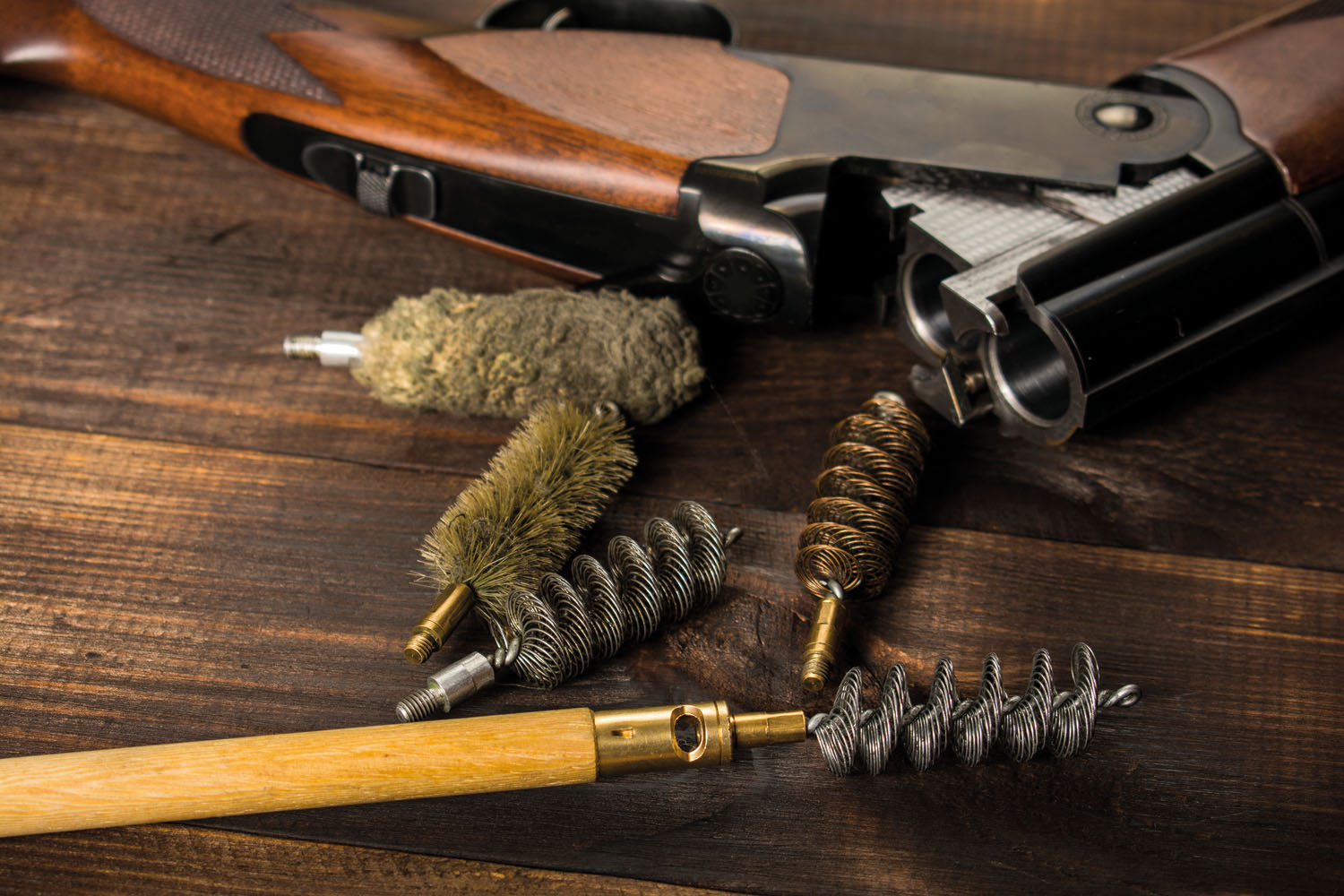
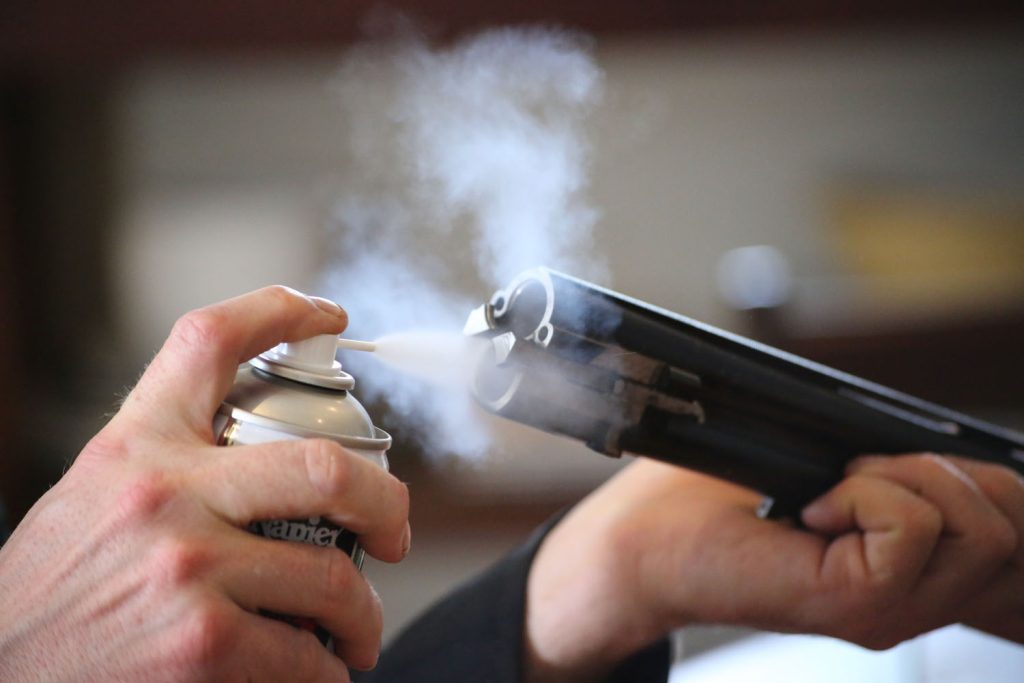
Strip the gun down and tackle the bores first. Run dry patches through to shift loose fouling. Then apply a decent solvent – Ballistol has been doing the job for over a century. It cuts through powder residue and gives you corrosion protection. Let the solvent work for 10-15 minutes.
Then get a bronze brush through there. Focus plenty of time on the chambers first, followed by long firm strokes through the barrels. Follow up with clean patches through the barrels until they come out spotless. This can take more than you think.
Clean the chokes and the threads in the barrels properly. ProFerrum make tools specifically for getting into the threads and removing accumulated muck that wiping misses. Then put the tiniest smear of choke grease on the threads before you screw them back in – finger tight. Check your ejectors are free of dirt and moving freely, applying grease sparingly if needed.
If you’re shooting again in a couple of days, leave a very light coat of oil in the bores and barrels, applied with a rod and a mop attachment. Give the outer surfaces of the barrels a thorough wipe down and ensure any moisture is removed from ventilated sections and ribs. A light film of good gun oil on all the metal work is plenty for a gun being shot regularly.
The action needs attention too. Wipe down the face where the barrels meet – this gets direct exposure to all the muck from the primers. A tiny drop of oil on the pivot points is plenty. During the season, less is more with oil – you don’t want to attract dirt that turns into grinding paste.
Wipe down the woodwork on the stock and the forend, removing any dirt and ensuring it is dry. For an oil-finished stock you may want to apply a thick layer of walnut oil or wood spray. Leave it for half an hour and then buff it off. Give the whole gun a thorough inspection. Look for any new scratches, dents or damage. Check the stock-to-action fit hasn’t loosened.
Best way to store your shotgun during winter
If a gun is going to sit unused for more than a week mid-season, use a slightly heavier coat of oil. Store it barrels-down to avoid oil working its way into the action. Just remember to wipe the bores clean before you shoot – oil in the bore can cause pressure problems on the first shot.
Gun cabinet setup and moisture control tips
Your gun cabinet matters more during the season than you might think. Brattonsound gun safes are the benchmark – proper security but also environmental control, crucial when guns are going in and out regularly. Don’t put the cabinet against an outside wall if you can help it – the temperature difference is a recipe for condensation. Do not store guns in their slips inside the cabinet. Slips trap moisture and stop air circulating.
Using dehumidifiers for gun storage
Stick a dehumidifier in your cabinet. The silica gel type works well and you can renew it in the oven when it’s saturated. During a busy period, check it more often – it will fill up faster when you’re introducing moisture every few days.
End-of-season shotgun maintenance checklist
The secret to gun care is making it automatic. After every shoot do the basic clean. No excuses. Gun cleaning isn’t the fun part of shooting, but many still love the process. It takes 20 minutes and saves you thousands of pounds down the line. Keep your cleaning kit somewhere accessible and make sure you’ve always got patches and solvent to hand.
Winter shooting is demanding enough without adding equipment problems to the mix. Do the basics properly and your gun will keep doing what it’s meant to do for many years to come.