★ Win a HÄRKILA Kenmore shooting waistcoat worth £299.99! Click here to enter ★
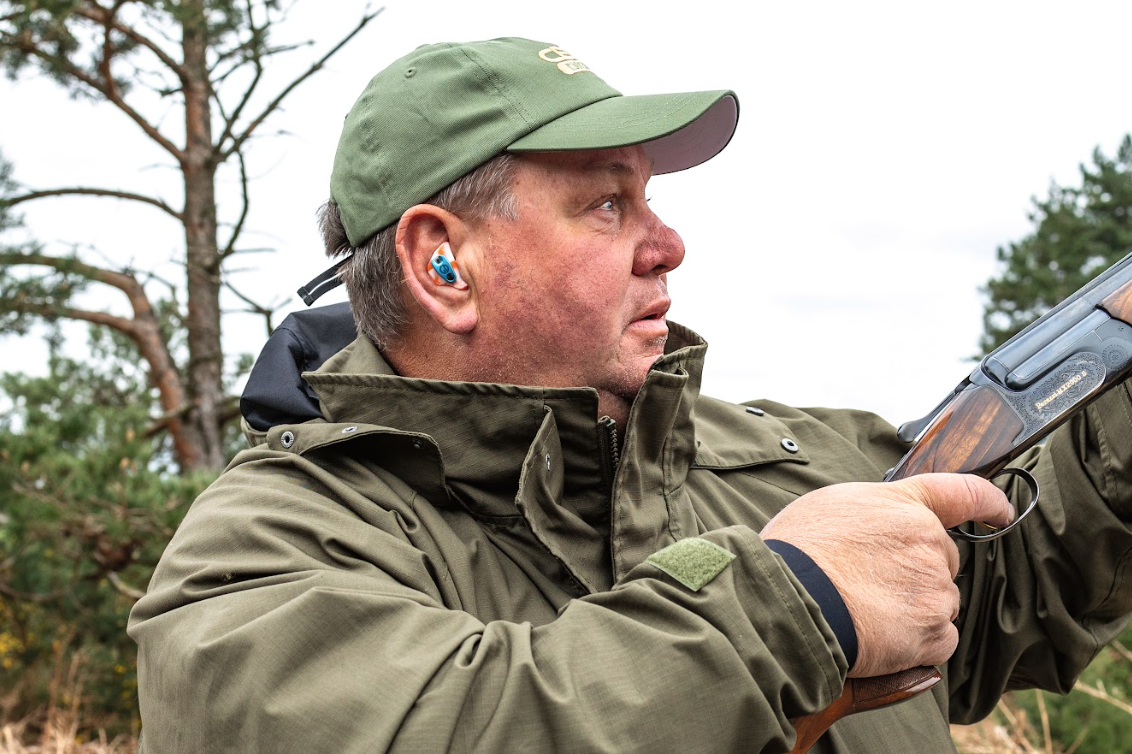

Exclusive interview with guest editor Phil Gray
We speak to the champion clay shot and full-time shooting coach about his path to winning both the English and the British Open Sporting in 2025

Who is Phil Gray?
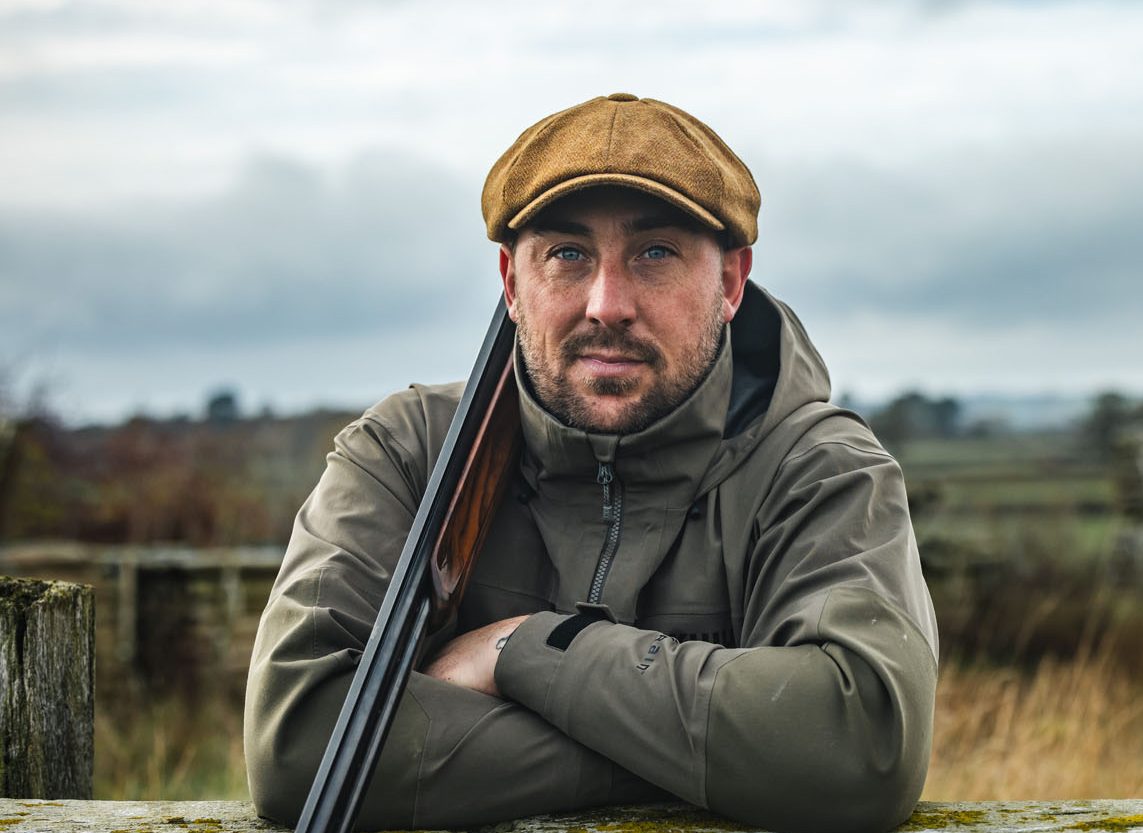
I’m just a normal bloke who has an addiction to shooting guns. I was born in Cambridge in 1992 and grew up in the countryside. Since February 2025 I’ve been a full-time shooting coach. Before that I was a scaffolder for 11 years.
I’d been coaching part-time for a few years, mainly in the UK but also in Ireland and Germany. After working on the Fujairah Mountain Shooting Championship 2025 I decided I couldn’t go back to scaffolding. I needed to coach shooting full-time and thankfully it’s paid off. I’m busier than I ever imagined and I couldn’t be happier.
How did you get into shooting?
My dad was a huge part of my shooting life. He also shot and I was a proper daddy’s boy, always wanting to do what he did. We’d spend hours together in a pigeon hide or out rough shooting. You could say that he was my hero, in a way, but more than that he was my best mate.
As a young lad I started out with an air rifle, spending hours knocking tins off bits of wood in my dad’s panel beating yard. That slowly evolved into shooting shotguns and bagging a few pheasants, ducks and pigeons over a bit of land we had. Eventually we bought a clay trap and that led to shooting clays every weekend. Soon we soon found ourselves chasing clays all over the place. I was hooked from day one.
I had my first lessons with Carl Bloxham, who was one of the best shots in the 1980s and 1990s. I got my shotgun certificate when I was just 10 – at the time I was the youngest person in the country to hold one, a record that might still stand. By 13 I was shooting clays properly and even competing at junior World and European Championships and representing Great Britain.
My first World FITASC Championship was at Southern Counties in 2005. I was sitting in the top five juniors after three days, which wasn’t bad for a first attempt. I made a mess of the final day, though, and that caused the first ever fallout with my Dad. He always expected a lot of me because he knew what I was capable of and had put a lot in to get me there. We both took it to heart, but it was never anger – just disappointment.
You took a step away from shooting?
Yes, for a short while in my early twenties. I’d given up so much of the typical teenage life to take shooting seriously. Eventually I just needed a break. I still shot, but for a couple of years I put my life and enjoying myself first. It turned out to be the best thing that ever happened to me as it reignited my love for the sport. I realised how much shooting meant to me and how much I missed it.
What’s your greatest shooting achievement?
I’ve had many highlights – I’ve placed in the medals at the World Sporting and FITASC, and won the Euro Cash – but without doubt winning the 2025 English and British Open Sporting Championships stands out as my proudest moment. It’s something that hasn’t been done since 1995 when the great George Digweed MBE achieved it. To match any record held by George means a lot.
What’s the secret to your success?
This year my preparation has been different. The career change has given me more time behind the gun and far less strain on the body from manual labour. I also have a lot more time to practice, even if it’s only half an hour before a ground closes just to maintain my timing. I don’t know what the numbers are in terms of shells fired, but it is a lot more than in previous years. The result is that my success on those targets designed by a good course setter to catch you out has improved.
I have also worked with a sports psychologist. My partner Catherine Smalley – who is also an excellent shot – encouraged me to go as she has seen the benefits of many psychology sessions over the years.
I was reluctant and thought I didn’t need it, but I agreed to go, with the mindset that it couldn’t do any harm. I consider myself strong minded and was adamant that they wouldn’t break me. I soon realised how wrong I was. Within 15 minutes the psychologist found things I didn’t even know were there – little habits and thought patterns that were affecting my performance. We worked on managing those, and I learned to control what he called my “chimp” – the negative voice in your head. I have named mine Alvin after reading The Chimp Paradox. It sounds funny, but it works. Now, when I feel that negativity creeping in on a stand, I mentally put it in my right hand and shove it away. It’s been one of the best things I’ve ever done for my shooting.
Would you recommend others to seek out a sports psychologist?
Sure, I’d recommend it to anyone. I think you have to get to a certain standard for it to make a real difference, though. I think until you fully learn to shoot you might not get as much out of it, but it’s never going to hinder you.
How often do you shoot?
Almost every day. Out of 365 days, I’d say around 360 involve a gun or rifle. Stalking and foxing is another huge passion. My clay season runs from 1 March to 1 September, and during that time I very rarely shoot game birds or pigeons as I find it interferes with my focus. I keep shooting foxes and deer, though.
When the partridge and wildfowl season starts I switch over. I’m either shooting myself or doing in-field coaching. The latter I normally do two or three times a week, sometimes more. Next week I am booked for six days in Exmoor and Wales by the same client.
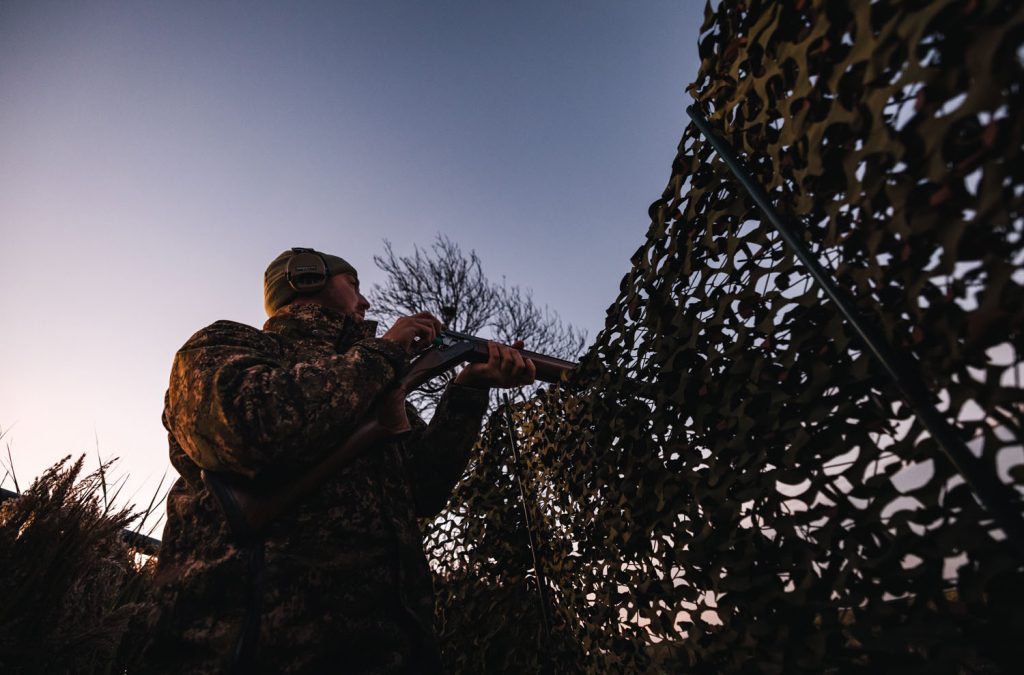
I love going out wildfowling on the Ouse Washes. There’s something really special about being out there before dawn, getting into a hide in 12ft of floodwater, watching the world wake up and seeing the ducks, swans and geese beginning to move. I love the adventure of it – the stillness, the challenge and the wonderful scenery.
I always say that wildfowling is my favourite, but I am just as excited stalking deer, decoying pigeons and crows or standing under high birds. On reflection, I think I am at my happiest when on an adventure anywhere with a gun or rifle.
How do you balance coaching and competing?
It’s been easier than I thought. I plan my calendar carefully and make sure I leave time before major shoots to get some practice in. I learned that lesson the hard way. I’d qualified for the shoot-off for the British Open Super Sporting against top French shooter Bastien Havart. I’d been coaching all day, rushed to get to the final and was simply too tired, had seen far too many clays, and at that point I had no chance. Lesson learned. Otherwise, the balance has been great.
What’s your training routine before a major competition?
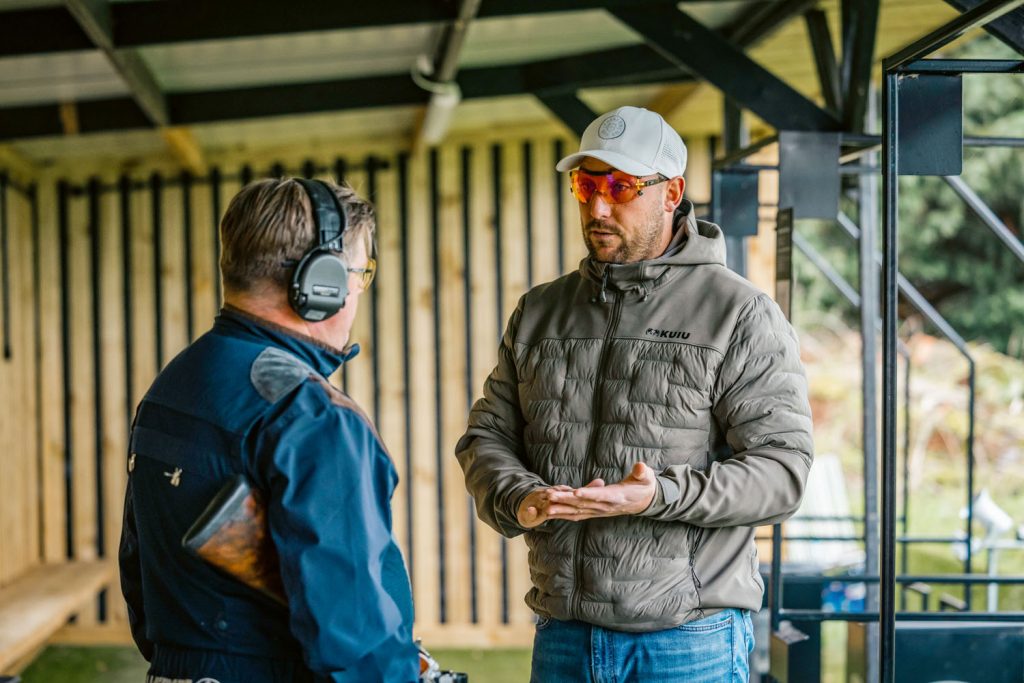
I shoot a lot of skeet – particularly on stands three, four and five – purely for timing. I aim to hit the targets from both houses right over the centre mark; either side and your timing is too quick or too slow. If your timing is right, everything else follows. The day before the English Open I shot around 500 skeet targets. It’s something I picked up from George Digweed, and if it is good enough for him then it’s good enough for me.
How does in-field instruction work?
It depends on the client. Some are experienced Guns who just need fine-tuning when they hit a rut, while others are new to high-bird shooting and need help with technique. When you’re shooting pheasants at 70 or 80yd, footwork and body position are everything. If you’re out of position even by a fraction, you’ll never pull the right line.
I don’t load for the client. When coaching, you can’t load and watch someone properly at the same time. My job is to observe and guide. I stick predominantly to pheasant and partridge, as that is what I am experienced in.
What else is in the kit bag?
Hydration tablets are number 1. I have them all the time anyway and I never go out without them in my bag. Then there’s always a marshmallow Kellogg’s Rice Krispies Squares bar – that’s my go-to snack. Other than that, spare lenses and alcohol wipes. My gun is fixed choke, so I don’t have to worry about carrying chokes.
Your top shooting tips?
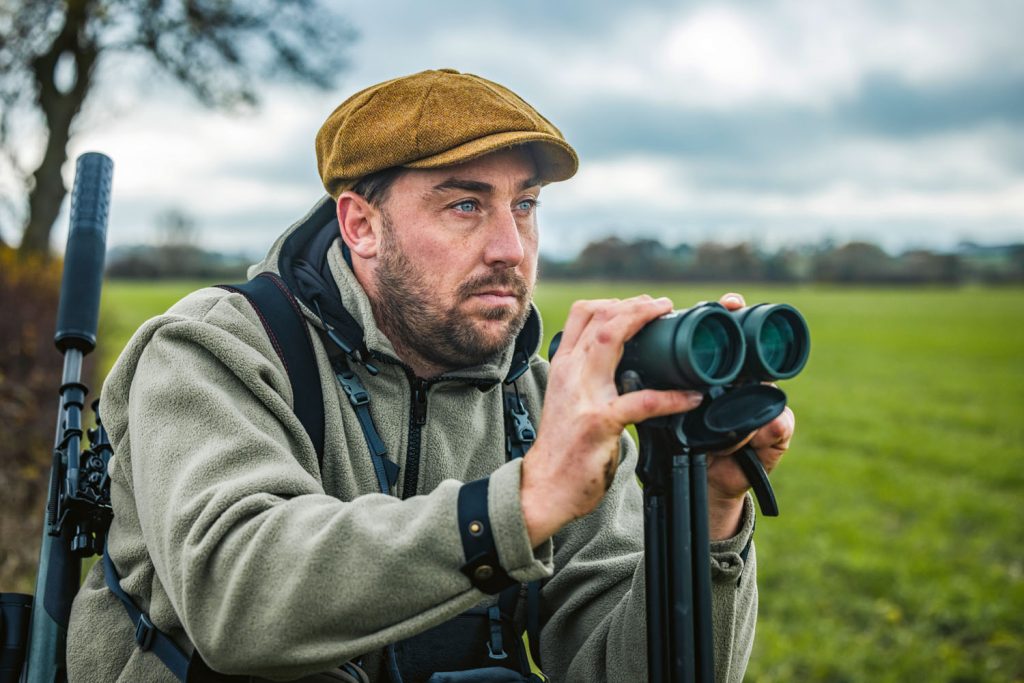
- Get instruction early. Learn the right way before bad habits set in – they’re hard to break later.
- Work hard. Talent helps, but hard work and dedication are really what make champions.
- Get a gun that fits. Either buy from an expert who will find a gun that fits correctly, or if your budget allows, get a quality custom stock that is fitted to you. It’s the foundation of good shooting.
Who are your sponsors?
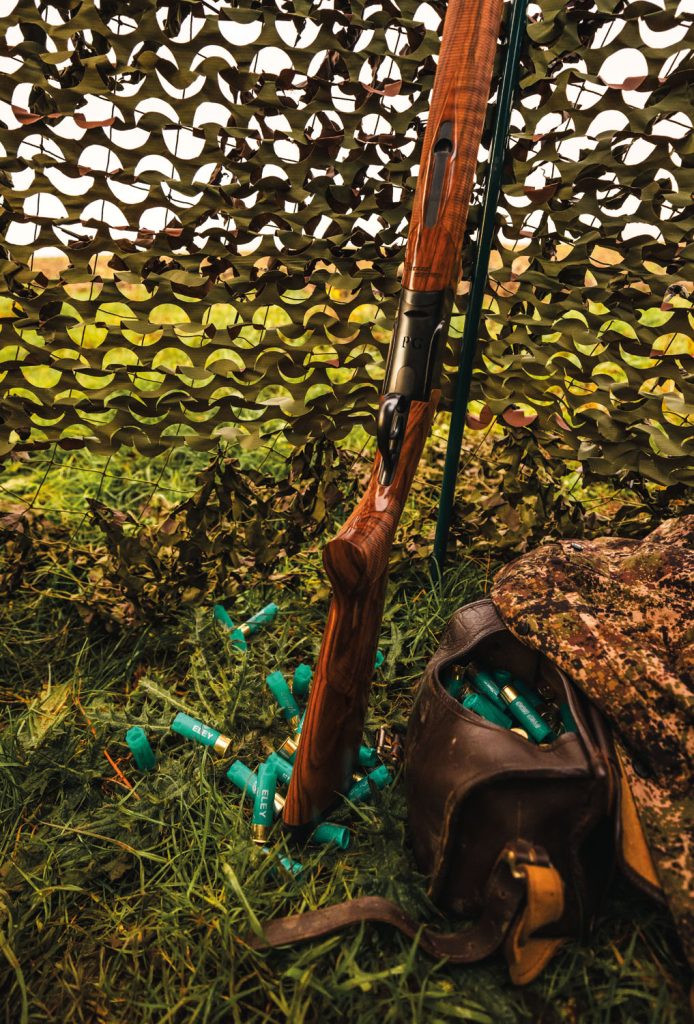
Perazzi, Eley Hawk, Swatcom and Starkey Outdoor. I am very lucky and I couldn’t do what I do without them. Eley’s support allows me to shoot the volume that I do, and I have such faith in my VIP Trap 28g No 7.5 and VIP Federation 28g No 6.5. I always say that Perazzi makes the best guns in the world and I fully believe it. I trust and love my current gun more than any other I have ever had. If I miss, I know it isn’t the gun’s fault but mine. Swatcom makes the best over-ear and in-ear protection for shooting. My Pilla glasses from Tom at Starkey are fantastic. I have had my three current lenses for about five years and they are still going strong.
What’s the best piece of advice you have been given?
The best piece of advice I was ever given came from George Digweed, and it’s brutally simple: the only way to learn is to miss. It sounds harsh, but it’s the truth. Too many shooters are terrified of missing and stay firmly inside their comfort zone. If you’re not willing to miss, you’ll never progress. You have to stretch your limits, take on shots that challenge you and accept that failure is part of getting better. If you don’t, you’ll just stay at the same level forever.
Who inspires you?
George Digweed, without question. He’s the standard everyone looks up to. Outside of shooting, I take inspiration from greats in tennis – Federer, Nadal, Djokovic – and snooker’s Ronnie O’Sullivan. Their focus, confidence and mindset are lessons anyone can apply.
Favourite venues and bucket list?
Eaton Hall is my favourite clay ground – it’s done wonders for UK shooting. For game, Lechweddygarth is top of my list. The mountain scenery and quality of birds is fantastic. On the wildfowling side, it’s hard to beat the Ouse Washes.
As for my bucket list, I’d love to be able to go on a proper Highland red stag stalk. And I’d really like to shoot a whitetail in America. Above all by some way is shooting a king eider – a beautiful sea duck – in Alaska or Greenland.
Do you cook game?
Yes, we eat a lot of it. Venison is the biggest source of protein in our home. Partridge is my favourite gamebird. I find pheasant a bit too strong, though pheasant goujons are lovely. We also eat plenty of wild duck such as teal when we have shot them.
Who – dead or alive – would you most like to share a peg with?
My dad. Without question. He sadly passed away two years ago after battling illness for about eight years. I’d take him to Lechweddygarth, my favourite place, as I would love him to see it.
What would people find surprising about you?
I don’t collect anything, nor do I have any other weird talent or party trick. I guess what would surprise most people, and what I guess is my guilty pleasure and drives Catherine mad, is that I love watching shooting videos on YouTube – even after a full day’s coaching or shooting. I’m currently watching a series on whitetail deer in the US. Like I say, I am utterly addicted to shooting.
Related Articles
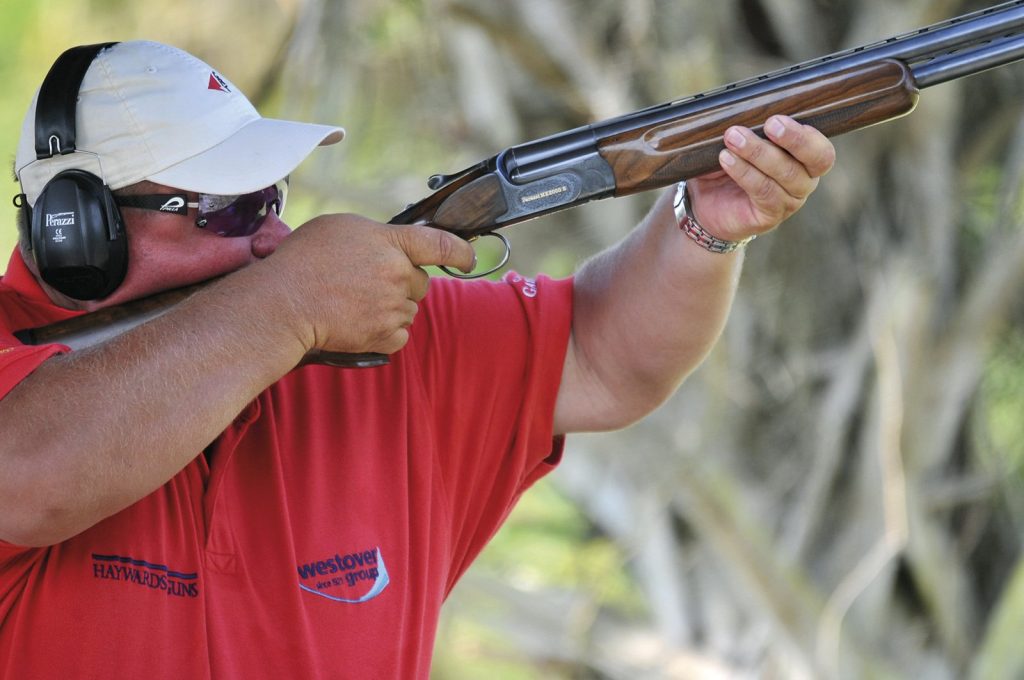
George Digweed MBE: an exclusive interview with the world's greatest clay shot
With 28 World Championship titles, 19 European Championship victories and an MBE for services to shooting, George Digweed is widely regarded as the greatest clay shooter of all time. Sporting Gun sat ...
By Matt Kidd
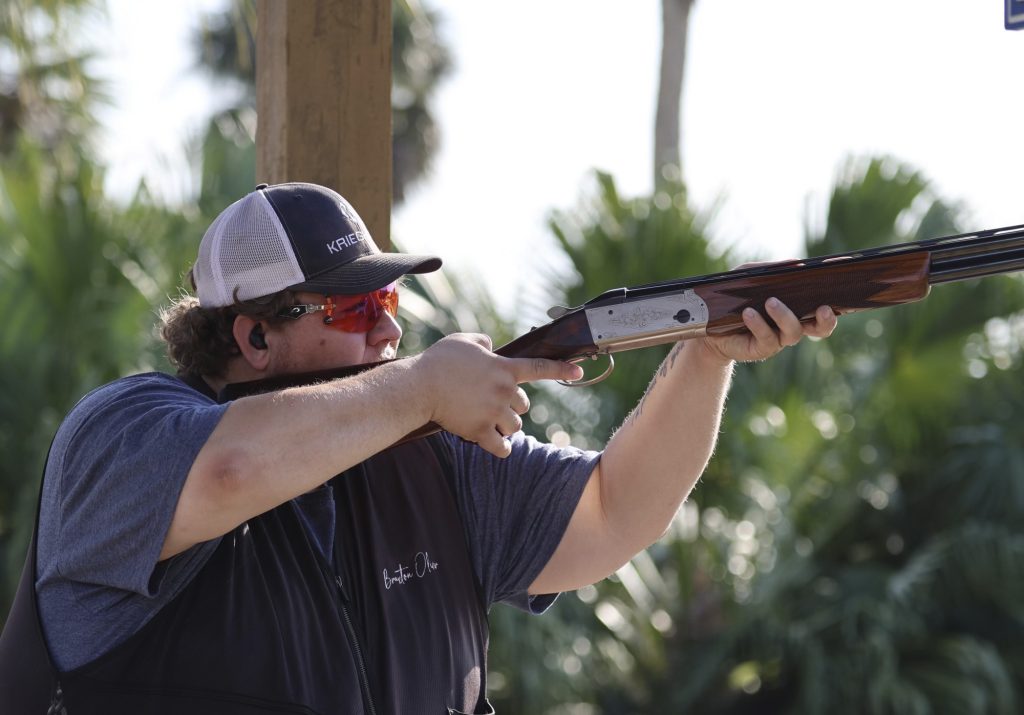
Braxton Oliver: World Champion on bold calls, death metal and the targets still left to break
North Carolina's Braxton Oliver made history at the 2026 World English Sporting Championship in San Antonio, Texas – winning the overall title and qualifying alongside the first woman ever to reach ...
By Sporting Gun
Get the latest news delivered direct to your door
Subscribe to Sporting Gun
Sporting Gun has been the trusted voice of the shooting community since 1978, and a subscription is the best way to make sure you never miss a word of it.
For just £4.99 an issue – 37% less than the newsstand price – you’ll receive Britain’s leading shooting magazine delivered to your door before it hits the shelves. Every issue is packed with expert gundog training advice, in-depth shotgun and cartridge reviews, technique features from professional shots, pigeon and wildfowling coverage and the people and stories that define the sport.
In a world of endless scrolling, a magazine is something different – a moment to slow down, read properly and absorb knowledge that makes you a better shot. Back issues become a reference library worth keeping.