★ Win a HÄRKILA Kenmore shooting waistcoat worth £299.99! Click here to enter ★

Beretta 688 review
A full review of the Beretta 688. Designed for serious clay shooters seeking competition performance, modern design and strong value.

Beretta. A name recognised by enthusiasts and non-enthusiasts alike. It is synonymous with shooting and gunmaking. Founded in 1526, the company from Gardone in Val Trompia has produced guns for 500 years. It knows how to build iconic firearms that stand the test of time.
Background and positioning
In 2019, Beretta redefined the mid-range sporter with the 694. It became a top seller and remains so, especially in DLC form with Steelium Pro barrels from the DT11.
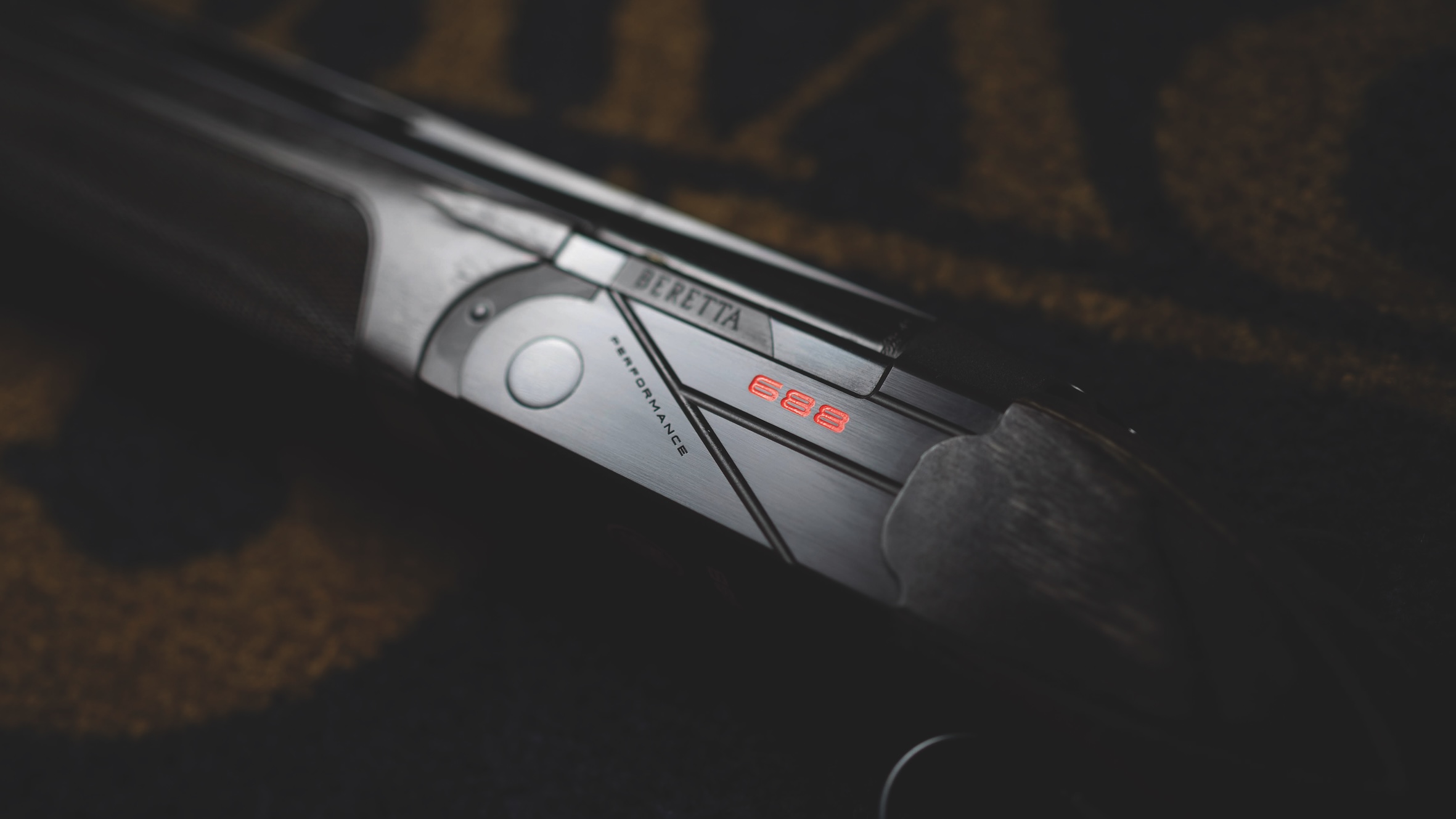
However, the latest over-and-under seeks to fill a gap. It targets serious competition shooters who still want value. Enter the Beretta 688. Finished in black and orange with laminate furniture, it is minimalist and purposeful. It is clearly aimed at the competition market.
Design intent
I spoke with Pietro Scovazzo, a lifelong shooter and hunter. We discussed the design of the new 688.
Due to recent financial pressures, the base cost of the 694 has risen. Beretta wanted a new design to bridge the gap. It sits between the 686 crossover and flagship competition guns. The goal was a clay-dedicated gun at a lower price point.
Action and barrels
Beretta chose the 680-based action. It is updated in steel with thicker fences. This adds weight between the hands and uses proven tooling.
The gun is paired with blued Steelium barrels and a 10×8 rib. Both top and mid ribs are ventilated. Optima chokes are colour-banded for easy identification.
Personally, I would prefer black chokes to suit the theme. However, colour bands do help identify constriction quickly.
Stock and ergonomics
The stock and forend prompted internal debate. Base dimensions come from the popular 694. Dealer and shooter feedback drove this decision.
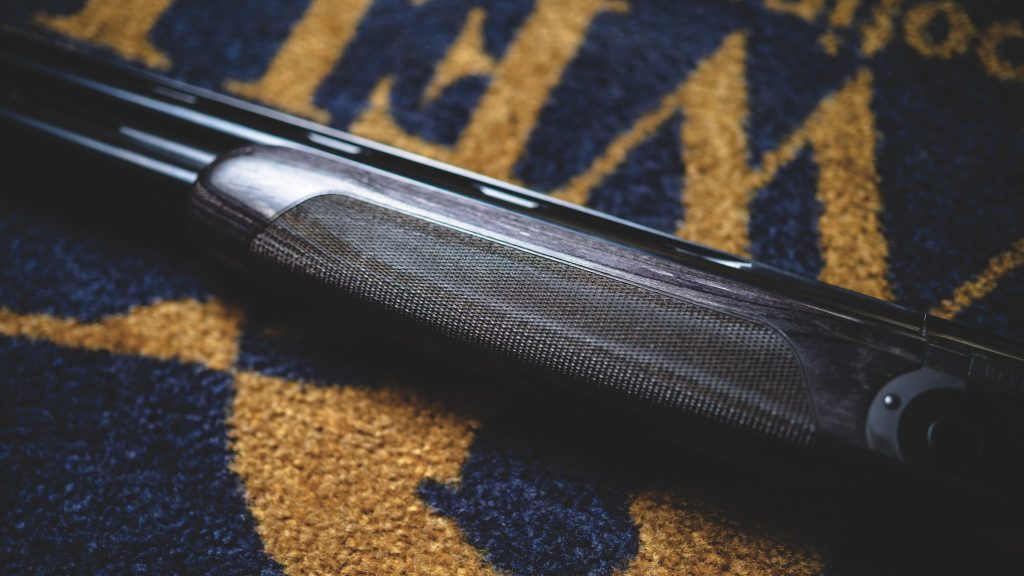
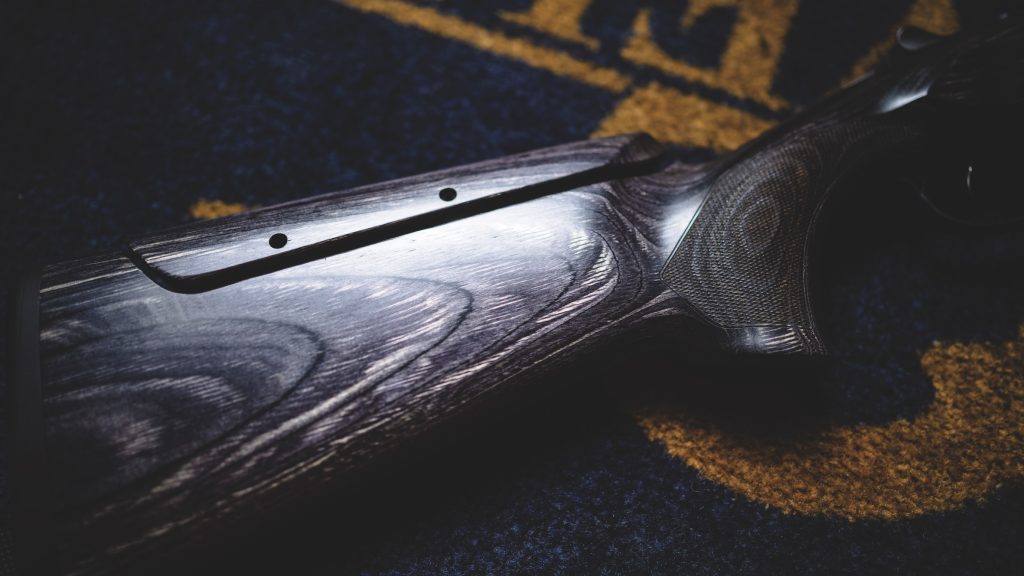
Laminate divides opinion, but it is chosen for good reason. It is extremely stable and resists warping. It is also very consistent in weight. This consistency helps balance gun to gun. Recoil absorption is also excellent.
Mechanical details
Internally, the 680-based action remains largely unchanged. However, the 688 introduces a repositioned lock release latch pin. It now sits at the top centre of the receiver. This improves the close feel and adds a more premium sensation.
The B-Fast comb and Inflex pads are simple and effective. Adjustments are easy and can be set and forgotten. Pads swap without grinding and are available in multiple thicknesses.
Balance and handling
The stock accepts standard B-Fast weights. The 30-inch version sits well on the pin. The 32-inch can feel slightly nose heavy.
The test gun had extra weight in the stock. This evened balance and performed well at the Beretta Worlds. Balance weights are optional and inexpensive if required.
Controls and finish
The pistol grip mirrors the 694. It features a well-shaped palm swell and crisp laser chequering. The rounded forend avoids the crossover tulip style.
The redesigned top lever is subtle and comfortable. The selector safety is familiar and positive. It works well in wet conditions.
The receiver top is finely stippled. This reduces glare on bright days. The trigger is a standard inertia unit with an adjustable blade. Pulls are crisp and predictable for the price.
Durability and specification
To keep costs down, action shoulders and the forend lug are fixed. They should still last many years for most shooters.
The gun has 3-inch chambers and Superior Steel Shot Proof barrels. It is available in 28, 30 and 32 inches. The 32-inch version weighs 3.85kg, which feels ideal for a competition sporter.
On the clay ground
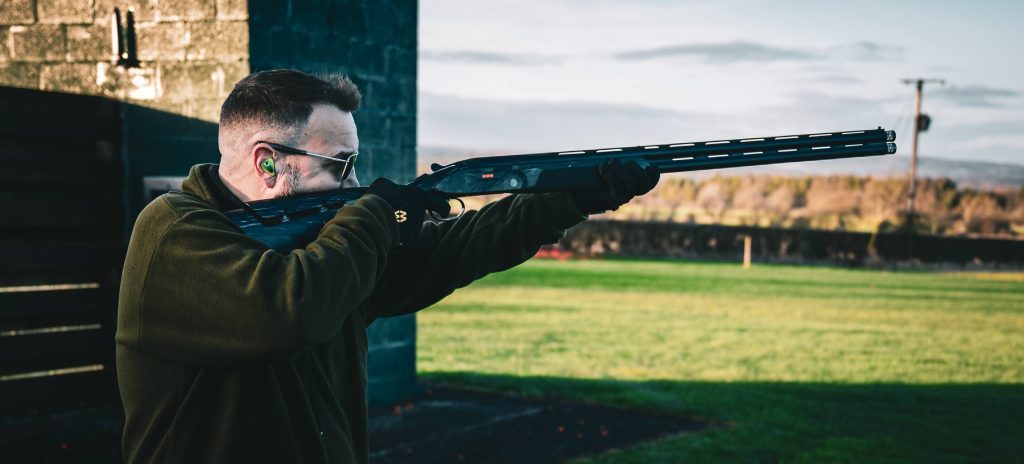
At the clay ground, the 688 comes alive. Balance, weight and swing suit Sporting, Sportrap, FITASC and Supersporting. Targets break predictably when inputs are correct.
The gun feels steady and controlled on long targets. For DTL shooters, a trap variant is available. However, the sporter also performs well for DTL and ABT. Recoil absorption is excellent.
Field use
I would hesitate to use the 688 for driven days or walked-up shooting. This is due to handling, not looks. Heavy clay guns are not ideal for snap shooting.
However, it would suit the pigeon hide well. Laminate construction and recoil reduction help when using 3-inch loads on ducks and pigeons.
Vittoria stock dimensions are also available. These suit smaller frames and different facial structures.
Conclusion
The Beretta 688 is a serious competition gun without a serious price tag. It feels premium, shoots predictably and offers excellent value. One to consider for competition shooters and the pigeon hide alike.
Related Articles

Why your shotgun cartridges are failing to eject
Cartridge ejection failures are highly frustrating, but this common problem might not be caused by your shotgun’s ejectors, but modern cost-saving cartridges themselves, explains gunsmith and shoote...
By Sporting Gun
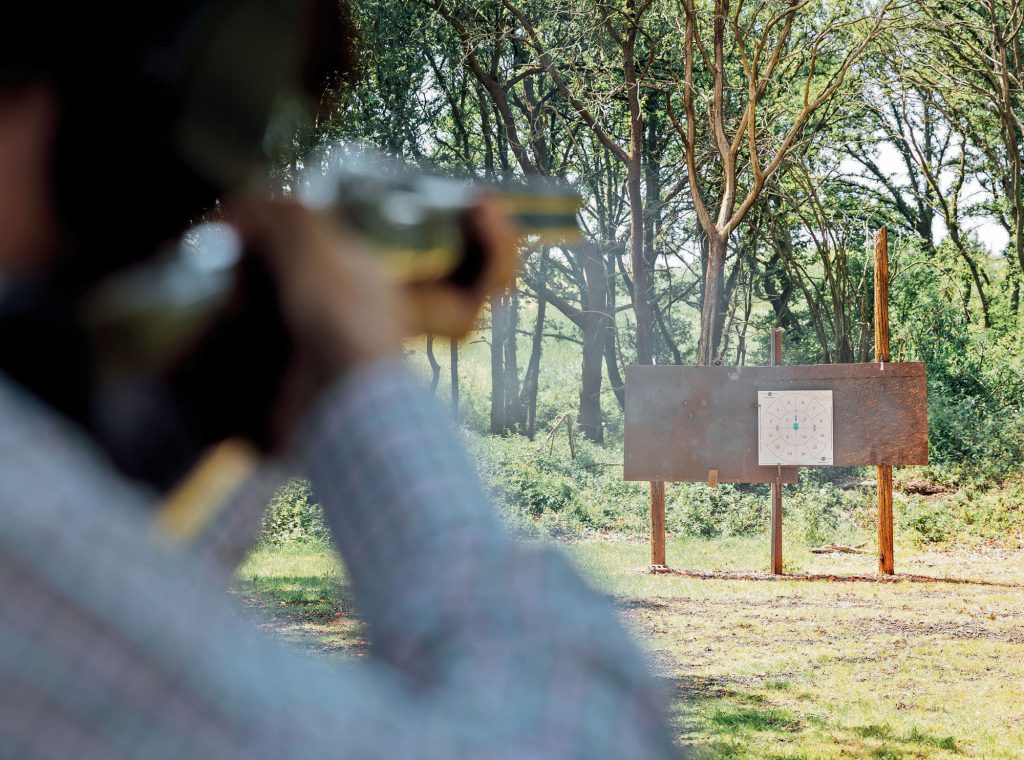
How pattern testing your shotgun can transform your shooting
Pattern testing your shotgun is the key to better shooting. Learn how choke choice, cartridges and point of impact affect performance, accuracy and confidence in the field.
By Sporting Gun
Get the latest news delivered direct to your door
Subscribe to Sporting Gun
Sporting Gun has been the trusted voice of the shooting community since 1978, and a subscription is the best way to make sure you never miss a word of it.
For just £3.75 an issue – 46% less than the newsstand price – you’ll receive Britain’s leading shooting magazine delivered to your door before it hits the shelves. Every issue is packed with expert gundog training advice, in-depth shotgun and cartridge reviews, technique features from professional shots, pigeon and wildfowling coverage and the people and stories that define the sport.
In a world of endless scrolling, a magazine is something different – a moment to slow down, read properly and absorb knowledge that makes you a better shot. Back issues become a reference library worth keeping.