★ Win a HÄRKILA Kenmore shooting waistcoat worth £299.99! Click here to enter ★

Top decoying tips for crop protection: Andy Crow’s expert advice
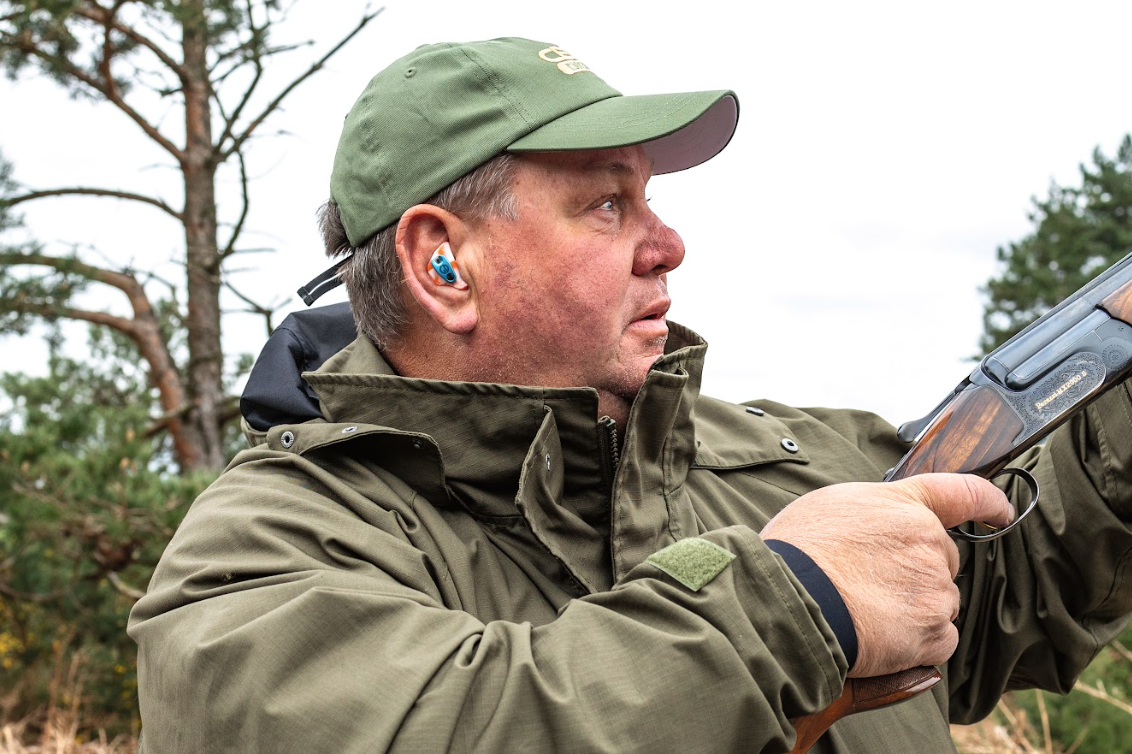
We ask top shot Andy Crow for his best advice on protecting crops from pigeons and corvids. His tips are built on a lifetime in the field.

How do you choose the right spot for a hide?
For me, everything starts with homework. I do not like turning up and setting up just because birds are there on arrival. Where birds are at 10am is not always where they want to be later. That is where many people go wrong.
The first thing I look for is flight lines. If birds are on the crop, I will scare them off and watch where they return. Pigeons and crows use markers such as trees, hedges and gaps. Once you notice this, you see they use the same routes repeatedly. Some flight lines have been used for decades. Learning these routes brings greater success.
I do not just look once. I like to watch a field over several days. Early morning flight lines can differ from midday ones. If I have not watched properly, I never feel confident I am in the best place.
People often ask if it is better to be on a hilltop or in a hollow. The honest answer is it depends on the birds. Some of my best days came from spots others would ignore. That only comes from watching the field.
If possible, I build my hide out in the field, not tight to a hedge. Sitting 25 to 30 yards off allows 360-degree shooting. Tight hedges restrict vision and shooting angles.
The biggest lesson I have learned is not to rush. A quick look might give a decent day. Proper homework turns it into a big one.
What are your top tips for building a hide?
A hide does not need to be complicated. It does need to disappear. If I can see it when walking away, birds will see it too.
I start with the basics. A good camouflage or ghillie net is worth investing in. It gives flexibility in any location.
Even the best net needs natural cover. I pull in what is around me and weave it through. Dead grass, thistles or hedge trimmings all work. It takes little time but makes a big difference. One of my best hides was under a buddleia bush in full bloom.
Overhead cover is often overlooked. With crows especially, you must have cover above your head. They often come from behind or above. If they see movement or a face, you are beaten.
With pigeons, you can use a slightly bigger hide. With crows, I keep everything tight and natural. The more tucked in you are, the harder you are to spot.
Tidiness is critical. Bags, cartridges or bottles outside the hide can ruin everything. Birds notice what was not there yesterday.
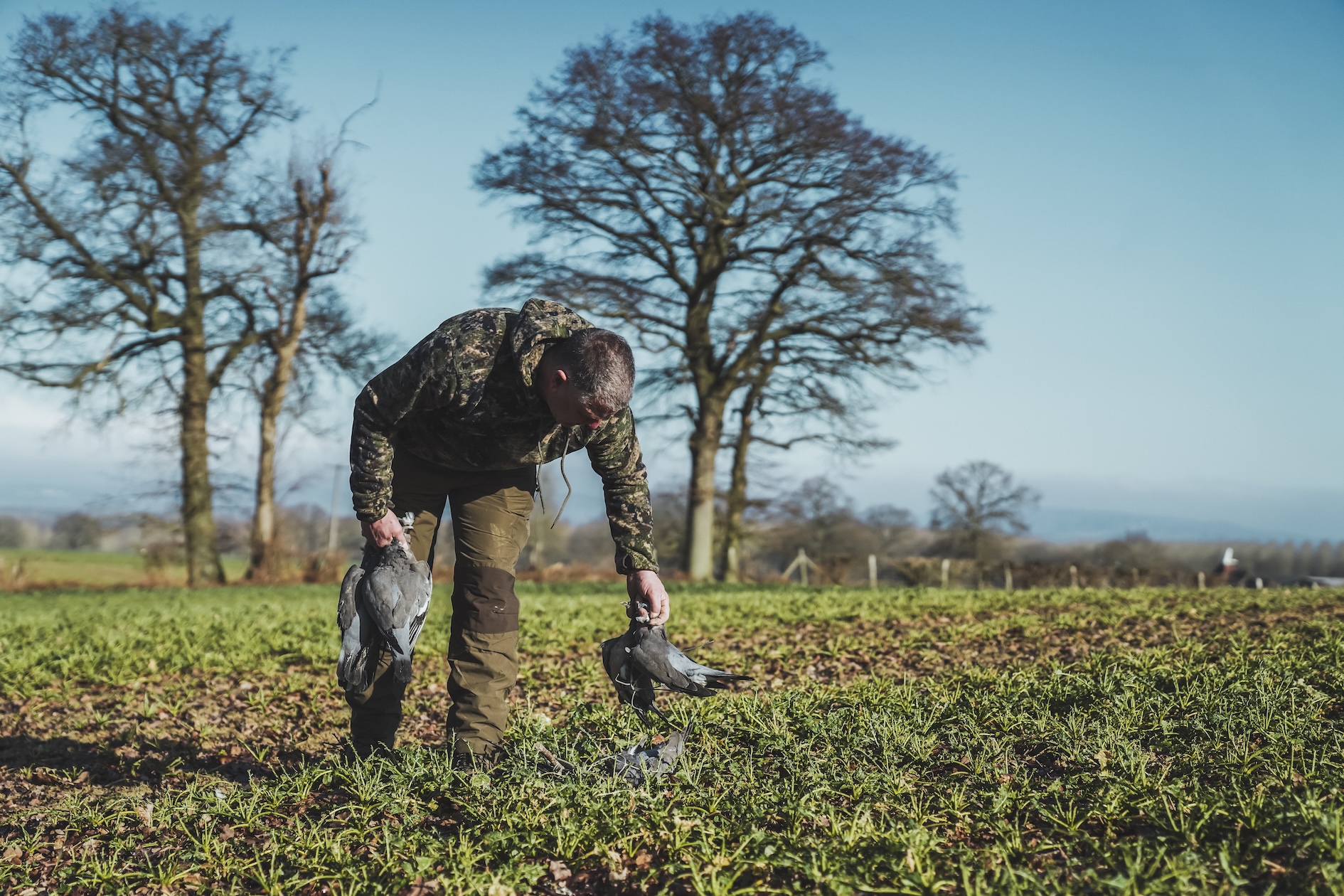
Once shooting starts, I keep the area tidy. Dead birds should be picked up regularly. Crows will decoy to dead birds. Leaving them scattered will put incoming birds off.
How should you set up decoys for pigeons and crows?
I keep decoying fairly simple but stay ready to change. What works one day may fail the next. Birds learn quickly.
For pigeons, I keep the pattern fairly close. Most decoys sit 25 to 30 metres from the hide. I am there to shoot efficiently, not take long shots.
I always leave a gap in the middle of the pattern. Shape does not matter. What matters is giving birds a clear place to land. Pigeons like to drop in among their mates.
Most decoys face into the wind. That is how pigeons want to land. However, I avoid making them look regimented. Feeding pigeons zig-zag and face different ways. The pattern should reflect that.
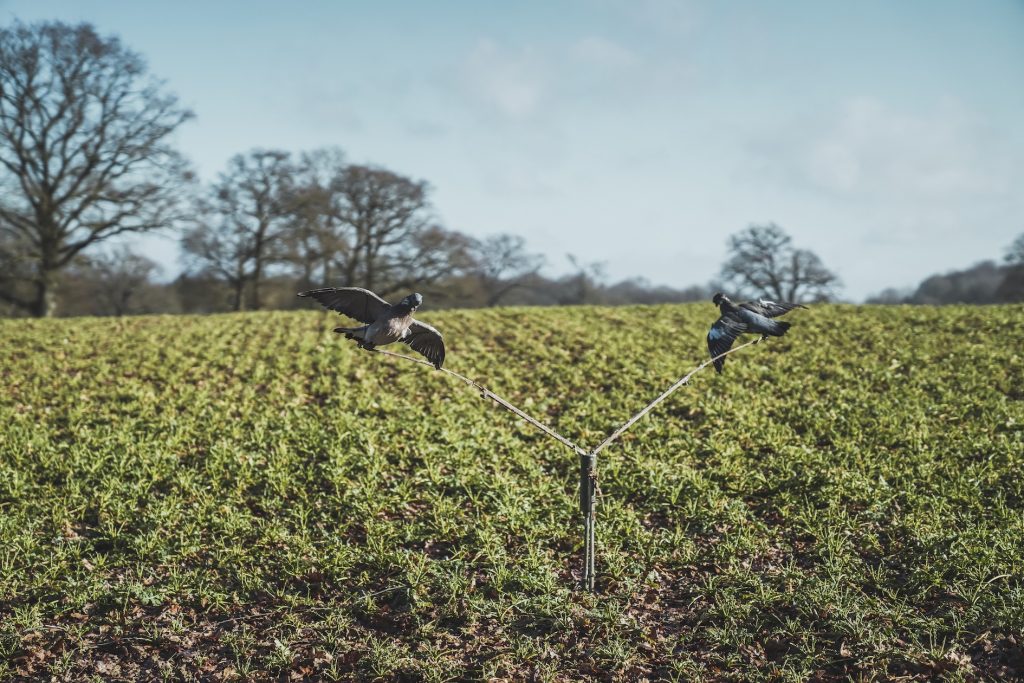
Rotaries can be deadly early in the year. Later on, pigeons recognise them. Wind direction matters. I place the rotary to pull birds where I want them. If birds do not commit, I change it immediately. Some days I move it. Other days I remove it completely.
With crows, things are different. They are far more suspicious. I do not like using rotaries for crows. Instead, I use fewer decoys. If I add movement, it is a slow flapper on a remote. Too much movement looks wrong straight away.
Crows notice everything. If something is not right, they spot it immediately. The key with all birds is adapting. If it is not working, change something.
What do you regard as essential kit?
If starting again on a budget, I would buy a good camouflage net first. It allows you to build a hide anywhere. That alone transforms shooting.
I would also buy a handful of decent decoys. A mix of plastic and Sillosocks works well.
A rotary is useful for pigeons, but it does not need to be new. Second-hand ones still do the job.
You do not need to spend a fortune on cradles. I still cut hazel sticks and make my own. A dead pigeon on a stick, wings opened slightly and facing the wind, still works today.
Some days I take very little kit. If there is a long walk, I take just essentials. A simple natural hide, one or two birds propped up, and you are away. Being in the right place matters more than kit.
What makes ideal conditions for a big bag?
I do not like too much wind. Six or seven miles an hour is ideal. Up to ten is workable. Strong wind makes second shots harder on pigeons.
With crows, a bit of wind can help muffle sound and bring them in lower. In strong wind, they move at extreme speed.
Light also matters. I prefer decoys in sunlight rather than shade. Birds flying into bright sun struggle to see shaded patterns. This can ruin a day unnoticed.
Cloudy, mild days with a light breeze are usually best. That said, I have learned to make the best of any conditions.
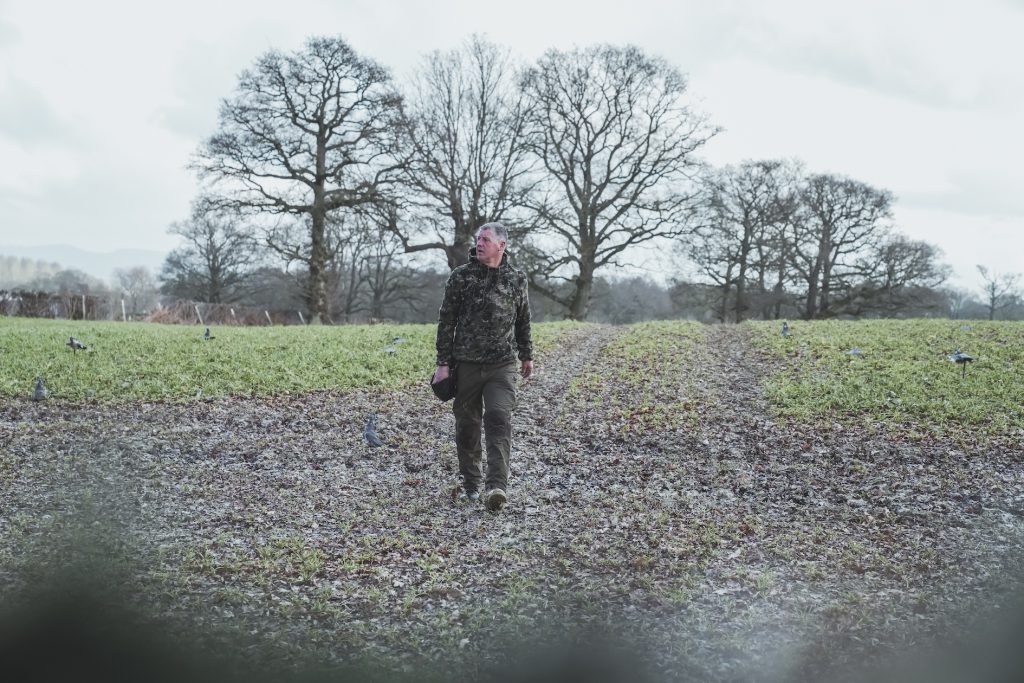
How would you approach new ground?
When offered new ground, I look for problems before they happen. I study maps and boundaries. I note houses, footpaths and stables. Anything that could cause trouble matters.
If houses are nearby, I ask the landowner about past issues. If needed, I knock on doors and explain what I am doing. Two minutes of explanation can save a permission for years.
More people now live in the countryside without rural backgrounds. Hearing shots can lead to complaints. Starting on the right foot makes a huge difference.
I also think about others when shooting. Just because birds are flying does not mean you should shoot into the evening near houses. I have packed up early on big days to avoid upset.
On new ground, if pigeons are feeding, I do not set up immediately. I push them off and watch. I want to see where they come from and how they approach.
Most of the time, birds will show you exactly what they plan to do. You just need to slow down, watch properly and let them tell you where to be.
Follow Andy on Instagram here.
Related Articles
Walked-up rabbits
Nick Ridley enjoys a therapeutic couple of hours rabbit shooting in Wales and is reminded of the importance of fieldcraft
By Sporting Gun
Get the latest news delivered direct to your door
Subscribe to Sporting Gun
Sporting Gun has been the trusted voice of the shooting community since 1978, and a subscription is the best way to make sure you never miss a word of it.
For just £4.99 an issue – 37% less than the newsstand price – you’ll receive Britain’s leading shooting magazine delivered to your door before it hits the shelves. Every issue is packed with expert gundog training advice, in-depth shotgun and cartridge reviews, technique features from professional shots, pigeon and wildfowling coverage and the people and stories that define the sport.
In a world of endless scrolling, a magazine is something different – a moment to slow down, read properly and absorb knowledge that makes you a better shot. Back issues become a reference library worth keeping.