★ Win a HÄRKILA Kenmore shooting waistcoat worth £299.99! Click here to enter ★

Gamekeepers: we’re being pushed off the land
Gamekeepers warn MPs they risk losing homes and livelihoods as licensing pressure mounts across England and Wales.
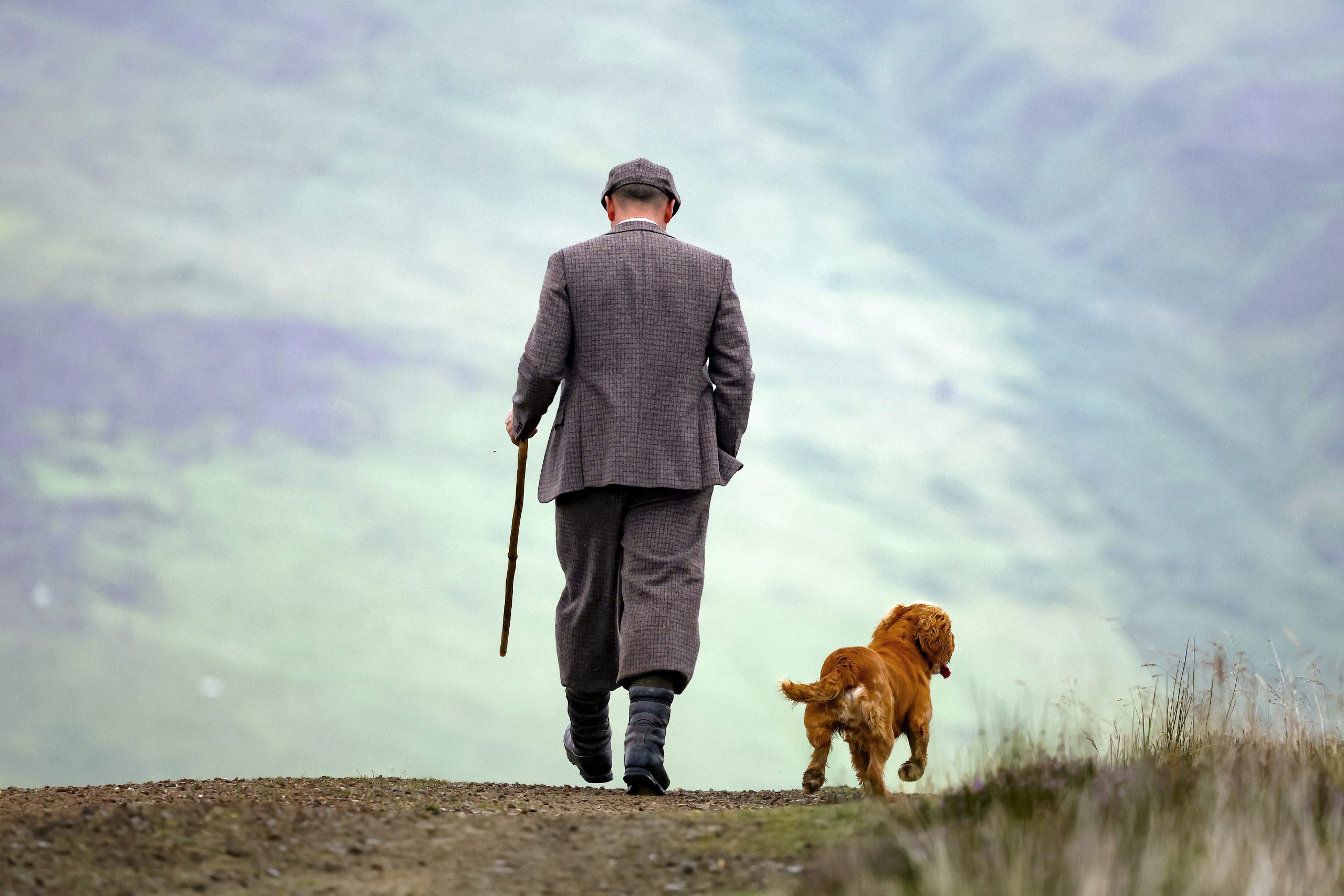 Credit: Jeff J Mitchell via Getty Images

NGO takes its case to rural MPs
They clear snow off the roads, help local farmers when something goes wrong and carry out conservation work that no Government budget covers. Right now, many are also fighting to keep a roof over their families’ heads.
On 30 March, the National Gamekeepers’ Organisation put that case directly to 195 rural MPs in a briefing warning that gamekeeping families across England and Wales face losing their livelihoods, and in many cases their homes, as policy pressure builds from multiple directions at once.
On 17 March, the Welsh Government launched an inquiry into gamebird release. The following day, Defra used England’s first Land Use Framework to signal plans for wider licensing of gamebird shooting and release. Both came on top of the continuing collapse of the GL45 general licence system, which anti-shooting legal challenges have been dismantling since 2023. NGO director of policy Tim Weston describes it as “a profession under siege from all sides”.
Mr Weston told Sporting Gun: “Rural communities are being squeezed by policies that chip away at our way of life. Licensing gamebird releases may look technical on paper, but on the ground it feels like history repeating itself – a modern echo of the Highland Clearances, where those closest to the land are the ones paying the price.”
.
Lives tied to the land
The NGO surveyed keepers, deer managers and stalkers across England and Wales. Nearly half live in tied accommodation, and of those, more than a third said losing their job would mean losing their home at the same time. One keeper’s situation illustrates the point: his wife cannot work full hours because they cannot afford childcare. He has no qualifications outside gamekeeping. If shooting ended tomorrow, he could not raise a deposit on even the smallest house.
“I’m a fifth generation gamekeeper, my two boys are gamekeepers, my daughter went to college and did a game and wildlife course,” wrote one survey respondent. “My brother is a retired gamekeeper. So you can say gamekeeping is a way of life for us.”
.
Ripple effects in rural communities
The effects of a shoot closing reach well beyond the estate. “It would affect the local B&B, shops, restaurants; our community as a whole would be affected and wouldn’t recover,” said another respondent. “The local businesses rely on the seasonal trade that shoots bring in. Not to mention farmers, who rely on the extra income from rent paid by shoots.”
Beyond their paid work, keepers take on a range of unpaid duties as a matter of course: clearing blocked lanes after storms, dealing with fly-tipping, helping in farming emergencies, responding to wildfires. The NGO describes them as an uncosted public service.
Their conservation contribution is substantial. Keepers manage around 65% of conservation-designated sites across England, Scotland and Wales, according to research carried out jointly by the NGO and the Scottish Gamekeepers’ Association and independently analysed by GWCT.
Professor Nick Sotherton of the GWCT has said wildlife and landscapes would be “much the poorer” without them. “We have nearly 20 hectares of wild bird seed and bumblebee plots which have massive benefits for the environment,” said one surveyed keeper, evidencing the point. “Those wouldn’t be there if it weren’t for the shoot. They would just be in arable.”
.
Call to MPs
The NGO’s argument to MPs is that further licensing would put all of this at risk. The shooting sector contributes £3.3 billion to the UK economy annually and is already covered by legislation stretching back nearly 200 years. What is missing, the briefing says, is not more law but the will to enforce what already exists.
Of keepers surveyed, 96% said the Government does not support rural communities. Asked which party best represents their interests, 39% named Reform UK, against 27% for the Conservatives and 0.4% for Labour.
Mr Weston is asking rural MPs to visit local shoots, demand formal consultation before any licensing framework advances and reject gamebird release licensing in England. He concludes his briefing with a direct appeal: “Your constituents include gamekeepers. They live in tied cottages on estates in your constituency. Their children attend local schools. Their partners work locally. They are asking for your help.”
Approached for comment, Defra said it “fully recognises the cultural importance of the recreational shooting sector and the role it plays in the rural economy”, adding that the Government would “continue to work with industry to ensure a sustainable, mutually beneficial relationship between recreational gamebird shooting and conservation”. It did not answer questions about how many ministers or senior officials had visited a shoot or met gamekeepers, nor whether any socioeconomic impact assessment had been carried out.
Do you have a news story to share?
Contact our group news editor Hollis Butler at hollis.butler@twsgroup.com. We aim to respond to all genuine news tips and respect source confidentiality.
Stay in the loop with the latest fieldsports news
Don’t miss a story – get shooting news straight to your inbox or phone. Join our newsletter.
Related Articles

Keeper rewarded with share of £2m estate
A Scottish gamekeeper who worked on Monreith House estate for decades has inherited a third of the property, prompting a family dispute over its future.
By Hollis Butler
Gundog trainer Andy Cullen MBE dies aged 60
Tributes have poured in following the death of respected gundog trainer Andy Cullen MBE, founder of Laochin Gundogs, who died aged 60 after cancer.
By Hollis Butler
Get the latest news delivered direct to your door
Subscribe to Sporting Gun
Sporting Gun has been the trusted voice of the shooting community since 1978, and a subscription is the best way to make sure you never miss a word of it.
For just £3.75 an issue – 46% less than the newsstand price – you’ll receive Britain’s leading shooting magazine delivered to your door before it hits the shelves. Every issue is packed with expert gundog training advice, in-depth shotgun and cartridge reviews, technique features from professional shots, pigeon and wildfowling coverage and the people and stories that define the sport.
In a world of endless scrolling, a magazine is something different – a moment to slow down, read properly and absorb knowledge that makes you a better shot. Back issues become a reference library worth keeping.