★ Beat print – get early access to the news by signing up to the Sporting Gun newsletter here ★



How to age a roe deer


How can I work out the age of a roe deer?
Q: I’ve found a couple of dead roe deer on the shoot and want to know more about them. How do I age them?
JONNY CROCKETT replies: In roe, the jaw will not be fully developed until they are six months old. For a calf (up to two years old), you will find the following on each side: three incisors (i1, i2 and i3) and a canine at the front (c), and three milk premolars (pm2, pm3 and pm4). The third premolar will show a triple crown.
When you look at the teeth of an adult, you’ll find that the triple crown has formed a single tooth and there are now three permanent molars (m1, m2 and m3). This will date the beast to either younger or older than two years old.
After that, you need to look at tooth wear. This is not a precise science as different habitats will hold plants that wear teeth at different rates. This means that you can age up to two years old, then there is a middle period where the teeth look OK and not massively worn, followed by worn teeth indicating an old beast.
In summary, you can age a roe deer to: a) < 2 years old; b) two to seven years old; c) worn teeth indicating >7 years old. These are approximate ages. I hope that helps.
Related Articles
Shooting
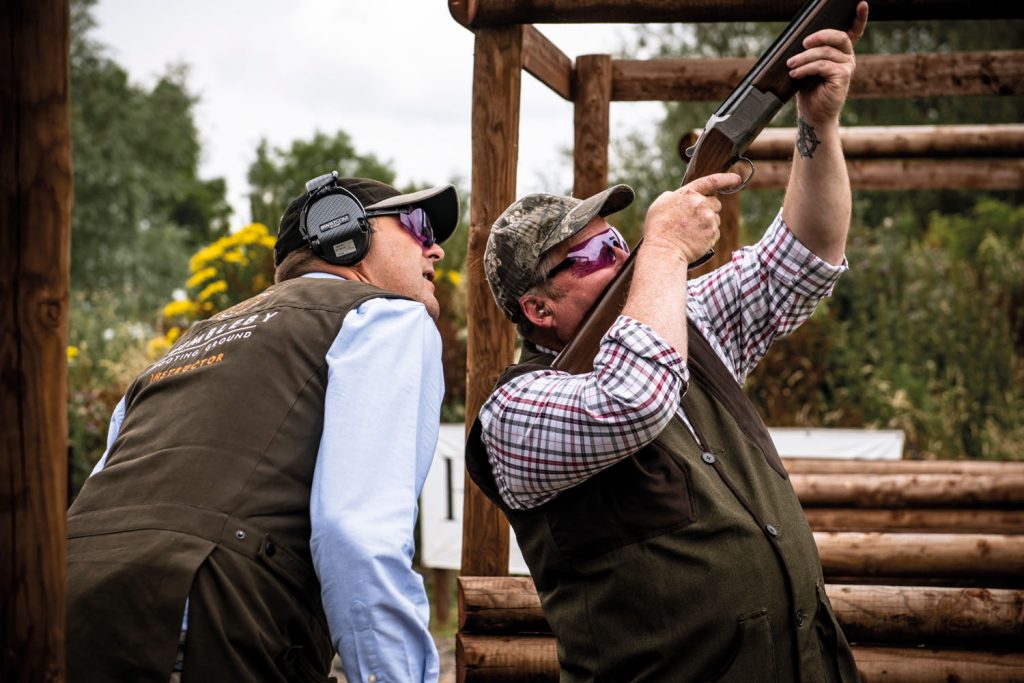
Thimbleby Shooting Ground: clays, sim game and tuition in Yorkshire
Set against the dramatic backdrop of the North York Moors National Park, Thimbleby Shooting Ground blends challenging clays, simulated game and renowned Yorkshire hospitality. Jasper Fellows explores ...
By Sporting Gun
Shooting
Wildfowling guide: shooting ducks and geese on the foreshore
A complete guide to UK wildfowling: access, equipment, safety and coastal shooting techniques
By Sporting Gun
Get the latest news delivered direct to your door
Subscribe to Sporting Gun
Sporting Gun has been the trusted voice of the shooting community since 1978, and a subscription is the best way to make sure you never miss a word of it.
For just £3.75 an issue – 46% less than the newsstand price – you’ll receive Britain’s leading shooting magazine delivered to your door before it hits the shelves. Every issue is packed with expert gundog training advice, in-depth shotgun and cartridge reviews, technique features from professional shots, pigeon and wildfowling coverage and the people and stories that define the sport.
In a world of endless scrolling, a magazine is something different – a moment to slow down, read properly and absorb knowledge that makes you a better shot. Back issues become a reference library worth keeping.