★ Win a Schöffel Country shooting coat for everyone in your syndicate worth up to £6,000! Enter here ★



Knowing your wildlife routes and “entrances”


What does “covering your entrances” mean in relation to deer and fox shooting? Deano Harrison, top foxer, explains…
Q: Last year, Deano wrote about taking the time to look for your ‘entrances’ onto the areas you are covering when sitting up. What did he mean?
DEAN HARRISON replies: The more you get to know your ground, the more you will discover that deer and foxes will often emerge from the same places. These are your entrances. All wildlife (like us) will take the easiest route – it can be as simple as a gateway.
Using your fieldcraft to build up your knowledge, go and check areas you have spotted them coming out when shooting – it could be a hole in the fence, a gap in the undergrowth, coming out of a wood or through a hedge. You should be able to tell if these are being used regularly, as it will have a well-used run going through it.
There is also other information to look for, such as tracks in wet weather, hair caught on a fence or a bit of bramble. Very often where we are, these runs are used by badgers, so bear in mind that just because an area is being well used it doesn’t mean your deer and foxes are coming out every night.
Getting to know these entrances will help you spot a fox sneaking out at last light. It’s all these bits of knowledge that increase our chances.
Related Articles
Shooting
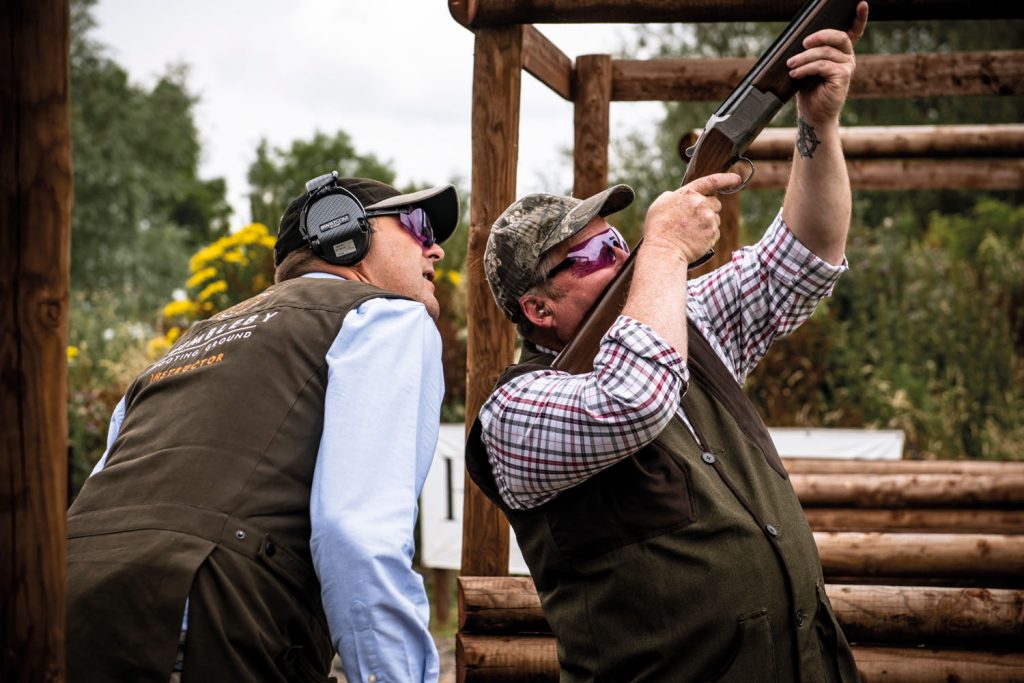
Thimbleby Shooting Ground: clays, sim game and tuition in Yorkshire
Set against the dramatic backdrop of the North York Moors National Park, Thimbleby Shooting Ground blends challenging clays, simulated game and renowned Yorkshire hospitality. Jasper Fellows explores ...
By Sporting Gun
Shooting
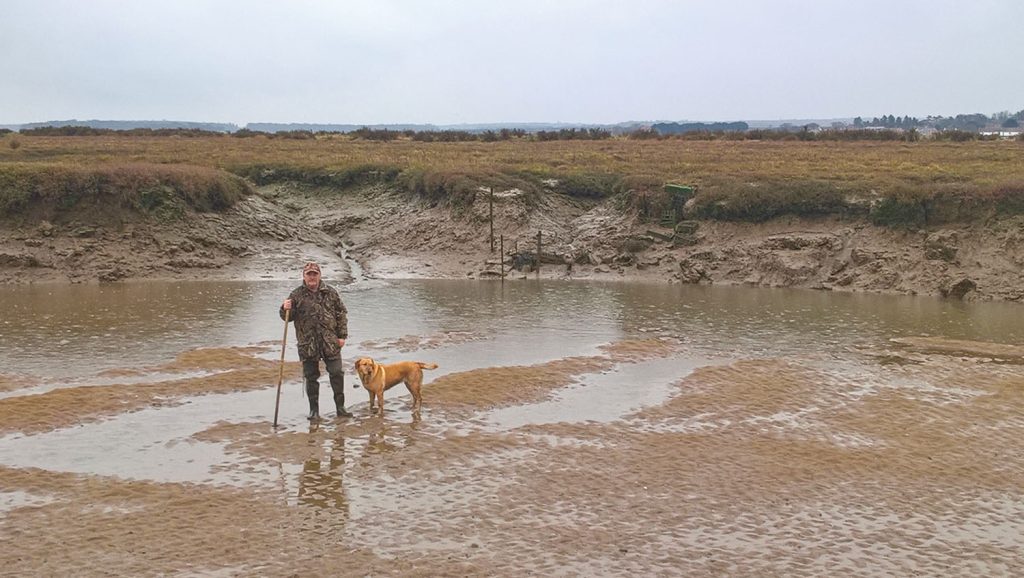
Wildfowling guide: shooting ducks and geese on the foreshore
A complete guide to UK wildfowling: access, equipment, safety and coastal shooting techniques
By Sporting Gun
Get the latest news delivered direct to your door
Subscribe to Sporting Gun
Sporting Gun has been the trusted voice of the shooting community since 1978, and a subscription is the best way to make sure you never miss a word of it.
For just £3.75 an issue – 46% less than the newsstand price – you’ll receive Britain’s leading shooting magazine delivered to your door before it hits the shelves. Every issue is packed with expert gundog training advice, in-depth shotgun and cartridge reviews, technique features from professional shots, pigeon and wildfowling coverage and the people and stories that define the sport.
In a world of endless scrolling, a magazine is something different – a moment to slow down, read properly and absorb knowledge that makes you a better shot. Back issues become a reference library worth keeping.