★ Win a HÄRKILA Kenmore shooting waistcoat worth £299.99! Click here to enter ★

Jonny Carter: from gamekeeping to TGS Outdoors
Our guest editor Jonny Carter, co-founder of TGS Outdoors, on the unlikely road from Wiltshire pig farms and gamekeeping to filming shooting for a global audience, and why he is still happy to play the idiot on camera
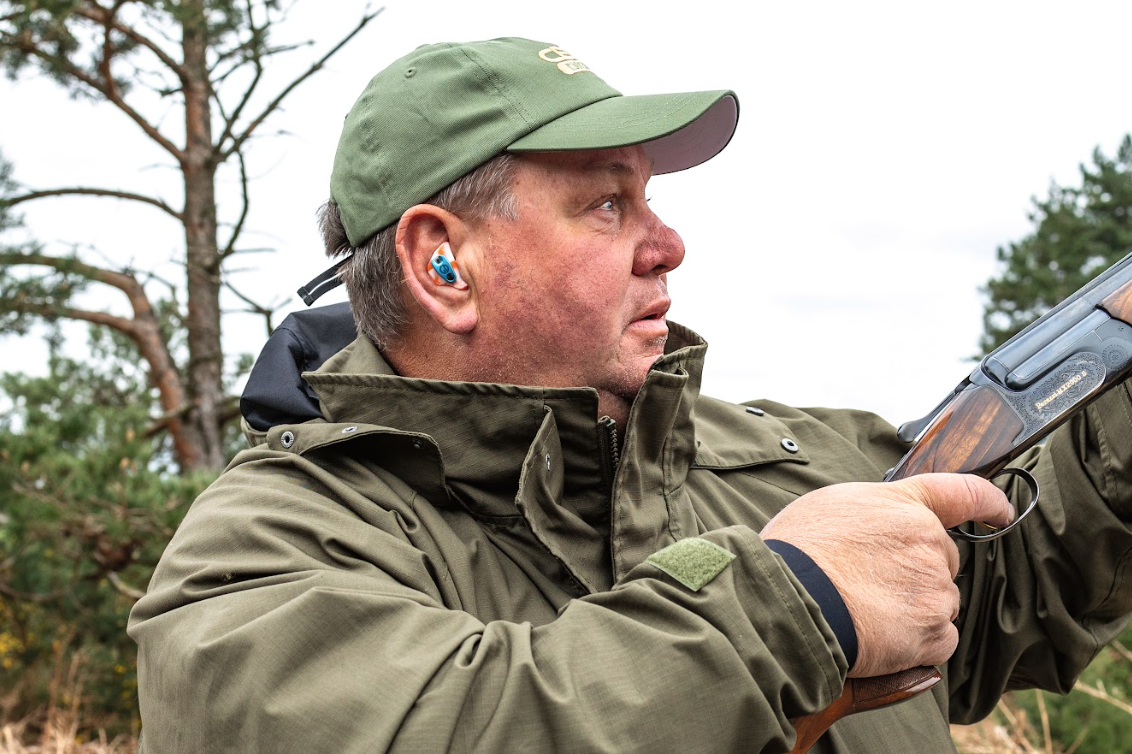
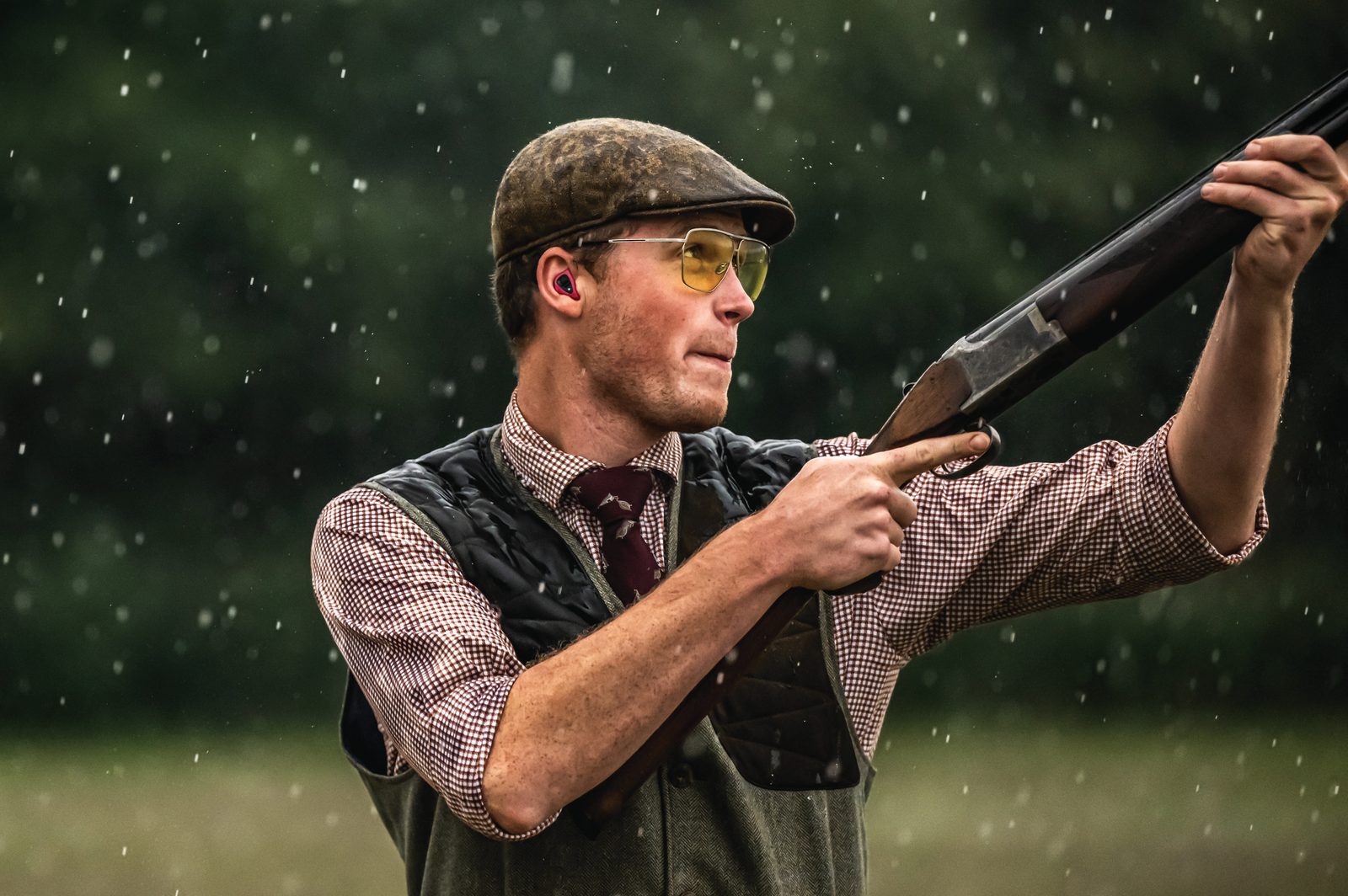 Jonny Carter, co-founder and face of TGS Outdoors.
Credit: Sarah Farnsworth
Jonny Carter, co-founder and face of TGS Outdoors.
Credit: Sarah Farnsworth

TGS Outdoors has become one of the most recognisable names in British shooting media, and the man in front of the camera is Jonny Carter. To open our new guest editor series, he talks us through the unlikely path that took him from beating and gamekeeping to gunshops, grouse documentaries and a global audience, with no shortage of honesty along the way.
Who is Jonny Carter?
I’m a Wiltshire boy through and through really. I grew up around Salisbury in a little village and now somehow find myself travelling the world filming shooting, covering major clay competitions, hunting trips and gunmakers through my channel, TGS Outdoors. Which is still quite bizarre when I actually think about it.
My dad was originally a farmer before pig farming got absolutely battered in the ’90s. Looking back now, his sort of small farming would work brilliantly now because people care about local produce again, but there was a whole era where nobody gave a toss about that sort of thing.
I didn’t really grow up in proper farm life though. My parents divorced when I was young and my dad later went back into farming and dairy work. I remember seeing him working on dairies and thinking: I absolutely do not want to do that. It looked relentless. Up at 4am every morning, every single day of the year.
I always knew I wanted to work outside though. I was alright at school, but I was definitely one of those kids who would rather go for walks and learn about trees than revise English. The irony now is I probably write 5,000 words of voiceover a week and effectively became a professional writer anyway.
I loved beating and remember seeing the gamekeeper driving around with a gun while my dad was working like a dog. In my teenage brain I thought: that’s the life. Obviously now I know gamekeeping is horrendously hard work too, but at the time it looked like freedom.
Tell us about your stints in gamekeeping
After deciding I wanted to be a gamekeeper, I went to Sparsholt. From there I got opportunities for work placements in Devon and Ireland and that gave me a taste for travelling. I realised I didn’t just want to stay in one place forever.
Sparsholt was brilliant too because I met a few people there who years later have become some of my closest mates. That’s despite us drifting apart and doing our own things after college – it’s funny how life works like that.
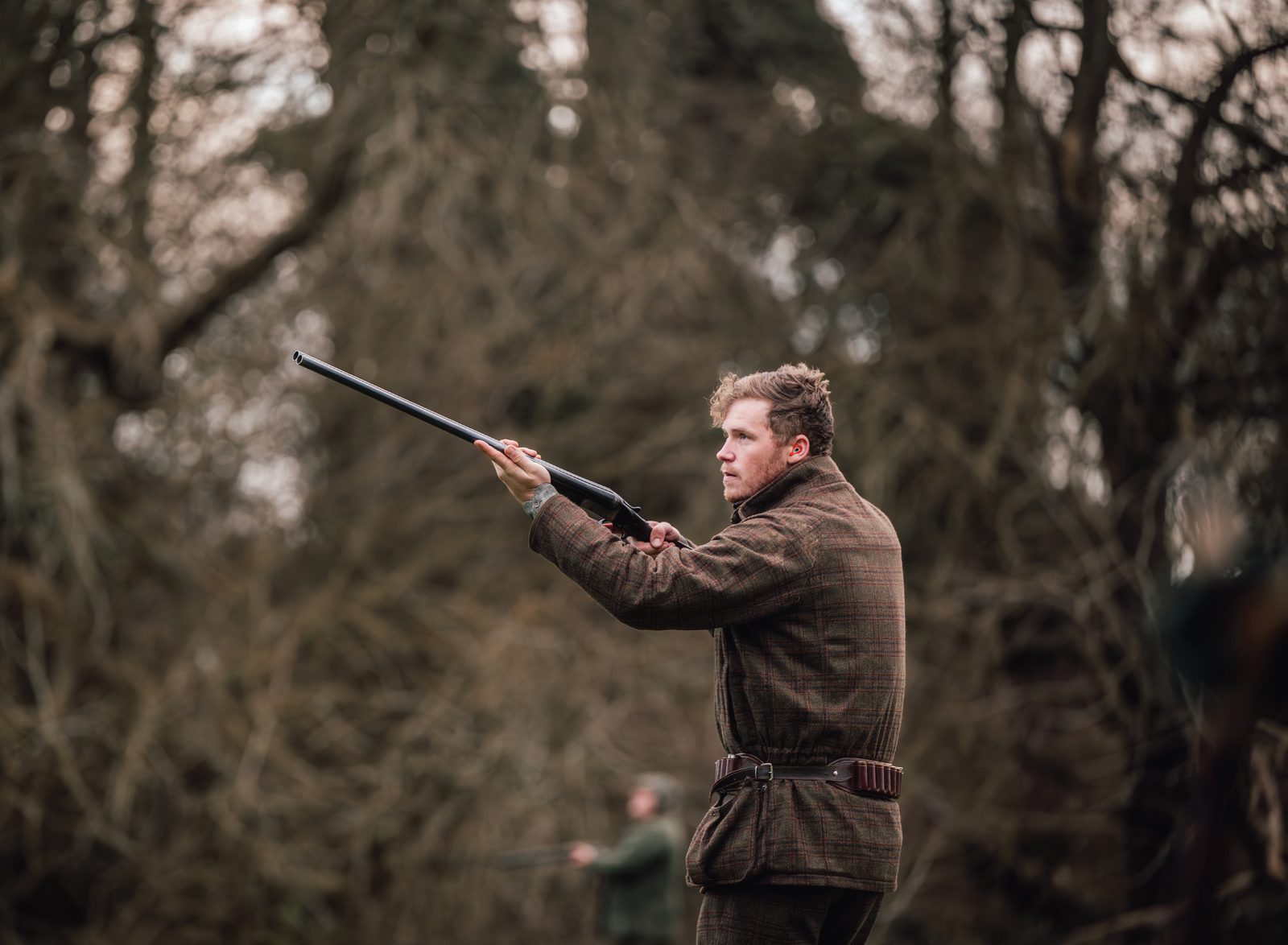
At 18, I secured an opportunity to work as an underkeeper for Steve and Julie Toft on a huge 17,000-acre estate in the north of Morocco. Barbary partridge, Francolin, ducks and wild boar – loads of cool stuff and proper adventurous countryside life.
Steve and Julie were brilliant for me. Steve wasn’t iron-fisted or anything like that, but like any good headkeeper there was no slacking. It was also the perfect job for somebody with my brain because everything was happening at speed. We had teams of lads doing habitat work and building butts and managing huge areas of ground. It was basically ADHD gamekeeping heaven.
After Steve left I ended up effectively running the bird side of things for about a year. Looking back, I genuinely think I did a bloody good job. The birds did well, the days went well, everything worked. But equally I understand why they couldn’t really leave a 20-year-old kid in charge forever. Honestly, if I didn’t have kids now, there’s every chance I’d have disappeared abroad permanently.
What did you do next?
I came home and suddenly realised I had absolutely no idea what I wanted to do next. I did loads of agency work for a while which was actually brilliant because it let me try different industries. Kitchens, labouring, carpentry, office work – loads of random stuff. It gave me a proper appreciation for what I actually enjoyed and also what I definitely didn’t want to do.
Then my mum spotted a job in a local gunshop and said I should apply. I remember getting asked in the interview if I could name two Spanish gunmakers and thinking: why the hell would I know that? Somehow I got the job and loved it.
I worked at Greenfields first, then later Lambert & Co in Ringwood, and that’s where I properly learned gunsmithing. Malcolm basically threw me in at the deep end. He’d say things like: can you change a firing pin? And I’d say no. He’d go: can you learn? So I did.
Luckily we had a brilliant gunsmith called Richard who taught me loads. My grandfather had been an engineer so I was already handy with tools, but learning to actually work on guns properly was a huge thing for me. That’s where my love of gunmaking really developed.
Tell us more about TGS
After Ringwood I got approached about joining a new venture in Botley. A friend of mine had bought a gunshop and basically wanted somebody who understood the industry to help build it with him as a partner and run things. I originally said no, then had a particularly bad day and phoned him back saying: alright then, let’s do it. And TGS was born.
At that point we were just trying to grow the business and working ridiculous hours doing it. We started with about £30k of stock. We sold hard, reinvested hard, repaired what we could, pulled extra hours and worked six days a week – we grew to half a million in no time at all. And we had a really good time of it.
My brother had come out of the military so I hired him to run an airgun range. He had a marketing background and kept saying: you need to use Instagram and YouTube. At the time I still had that old-school shooting mentality that guns should stay quiet and private. You didn’t do anything hunting related on the internet.
Then we had three customers in one week come in asking about a gun because they’d watched some random YouTube video. I went and watched it and it was completely wrong, and I remember thinking: right, sod this, I can do better than that.
So we grabbed a camera and filmed a Silver Pigeon review and a few cleaning videos and suddenly we felt like kings of the earth. They were awful looking back. No proper kit, no clue about audio copyright, no filmmaking experience whatsoever. But we absolutely loved doing it and started the TGS Outdoors channel.
When did it become serious?
In 2018, things were going okay with the channel and with the shop. In a board meeting I said to the partner that we should do more of the videos. He agreed, and so I canned our entire advertising spend and hired Sasha.
Initially, I thought Sasha was a girl and if I was to be travelling around the world with someone so closely, I’d get a ton of grief from my then girlfriend which I didn’t need. The CV had no relevant experience either so I threw it away. But then he rang me, seemed alright and so I invited him to an interview, sunk a few pints in the local pub after and employed him. One girl in the team said I should stop hiring people because I thought I’d be friends with them, but it seemed to work.
Anyway, we were churning out five videos a week for the shop and working tons of hours for very little. Then there was a lot of noise around grouse shooting in the news and I came up with this idea for a proper documentary, called The Grouse Shooting Problem. That was the real turning point.
I sent what was basically a proposal written in crayon to the NGO and Tim Weston financially backed it. We went north for five days and made our first real film. That was the moment we realised we could actually produce meaningful content and make some money. From there it just snowballed. More sponsors, more projects, more ideas, more funding.
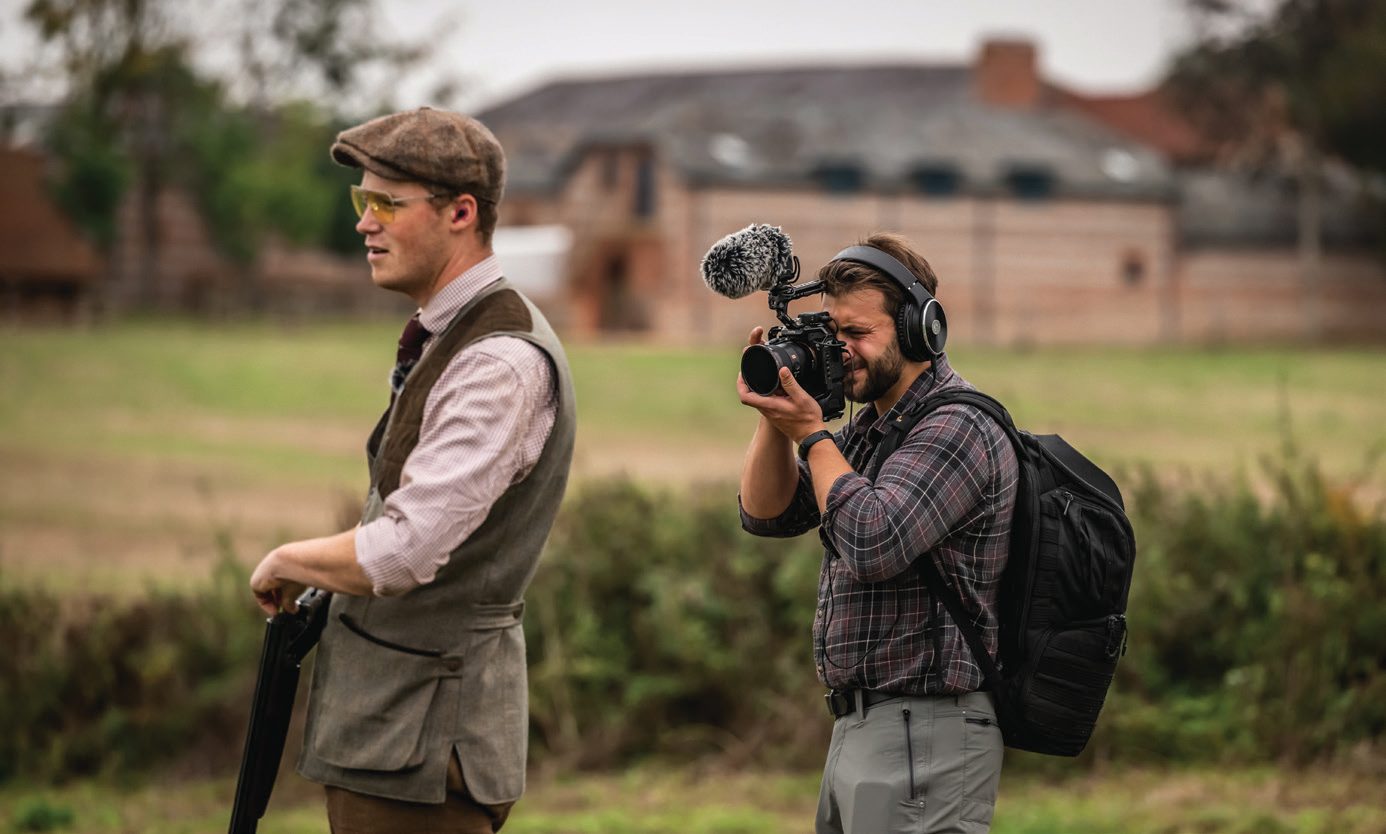
What does Sasha bring to TGS Outdoors?
Sasha is unbelievably talented. I genuinely think he’s one of the best cameramen I’ve ever seen. I’m handy with a camera, but I’m basically a Temu videographer in comparison. He’s now one of my best mates on earth too.
Did you ever expect it to get this big?
No. Not even remotely.
People always want some noble answer about passion and purpose, but the honest answer early on was simply survival. I wanted to keep doing something I enjoyed and somehow make enough money to keep everybody paid.
Nowadays there’s more meaning behind the videos we produce. We genuinely want to create worthwhile films and do good things for shooting.
What makes TGS Outdoors different?
I think it’s probably the team more than anything. I think people also realise we genuinely love this stuff.
We’ve never really fallen into a single format. One week we might be looking at a £200 auction gun and the next we’re filming inside the Beretta factory or a remote corner of the world at a clay shooting super final.
I also stopped trying to be “the expert” years ago. Indeed, I know a huge amount, but I realised it’s much better to let actual experts speak and just ask questions. I’m perfectly happy playing the idiot because honestly it comes naturally anyway.
What has been your proudest moment?
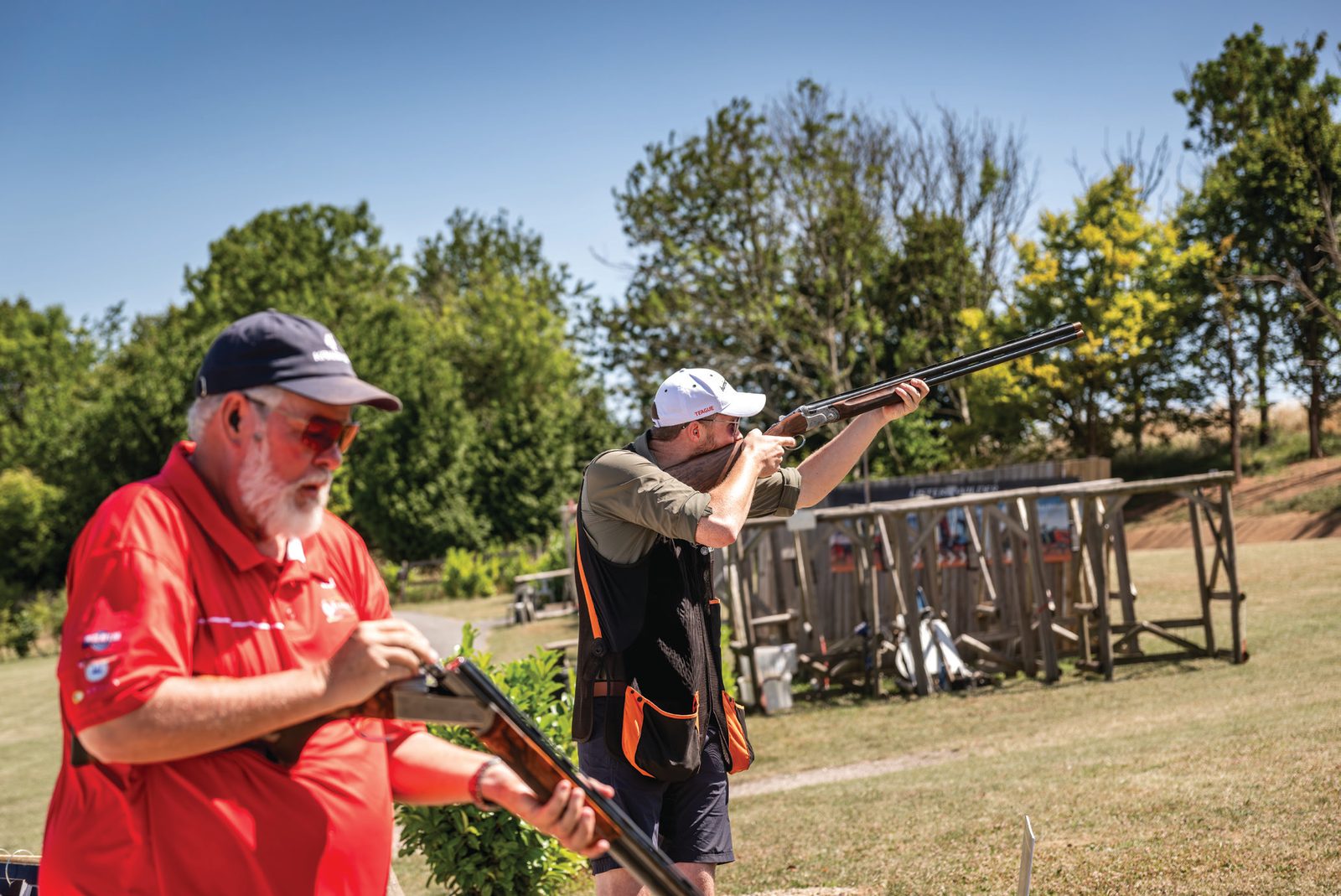
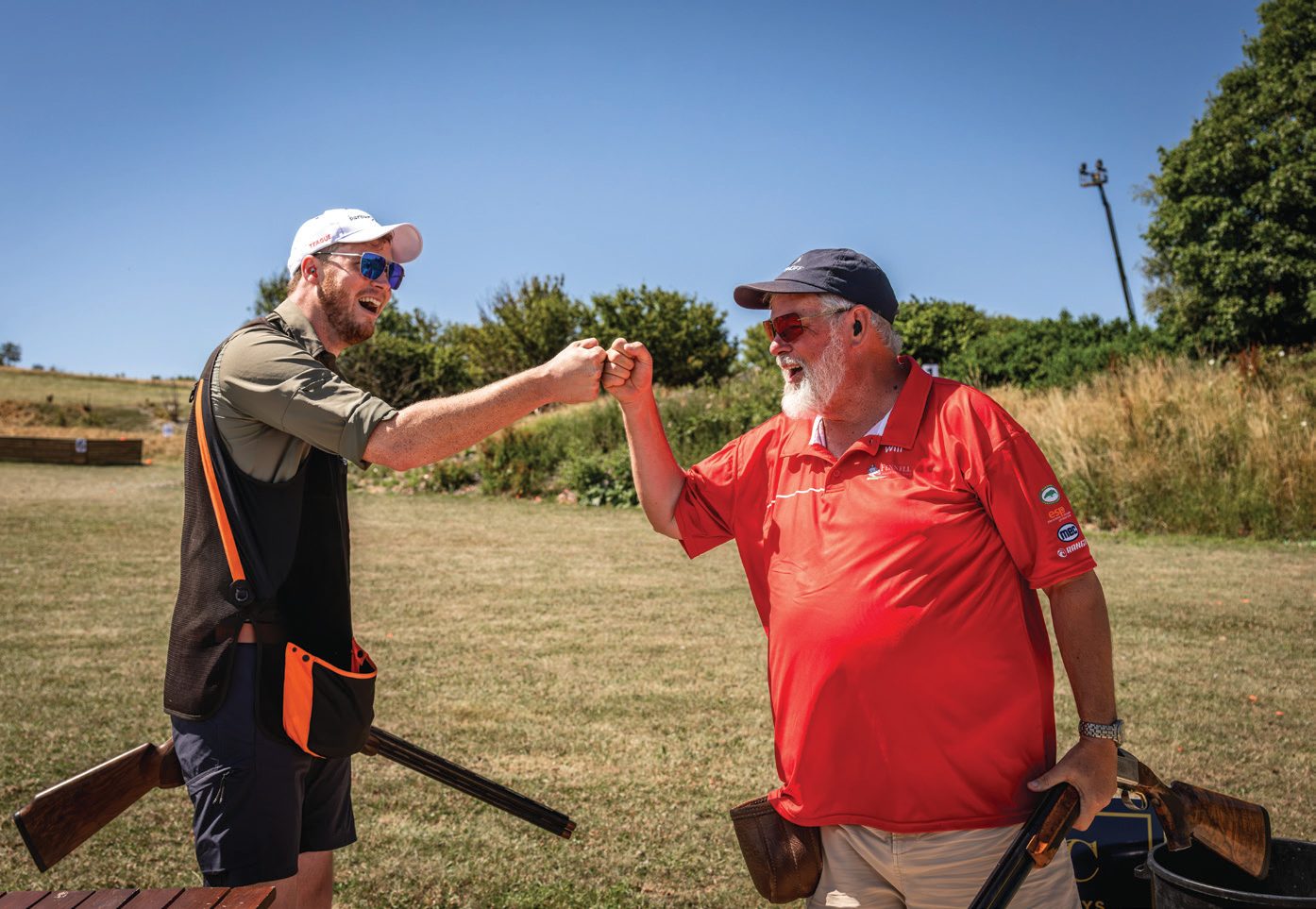
There have been loads. Covering major clay competitions the way we do is something I’m genuinely proud of because when we started, people didn’t even want cameras at shoots. We’d literally get told to put them away. Now everybody wants events filmed and wants to be part of it. I think we genuinely helped move clay shooting coverage forwards.
The Beretta factory tour was another massive highlight. Being the first people ever allowed to properly film inside there was insane. That’s such a ridiculous honour when you actually think about it.
Who are your sponsors?
We’re lucky to work with a lot of different people and we have very few exclusive sponsorships because inherently, to make interesting films, I want to be able to go and do and handle whatever I like and try whatever I want.
Custom Fit Guards are probably our oldest sponsor. I’ve had their product in my ears for like nine years now.
Hull Cartridge have been fundamental to our success. Their support in the early days really allowed us to go out and stretch our legs and do things like The Clay Tour. I love their products and I love the team.
ShotKam as well – we genuinely couldn’t make films without them. It’s also improved my shooting no end. The thing about ShotKam is it doesn’t lie. If you’re terribly inconsistent, it’s going to show you that you’re terribly inconsistent.
And then Beretta sponsor my personal gun. I was actually going to go unsponsored at one point because I thought that would be cleaner. Beretta asked if I’d be interested, and with no expectation that suddenly TGS becomes a single-brand gun channel. I still want to shoot everything and they understood that. What it’s really given me is insane levels of access. I get calls saying: “we’ve got a new product, do you want to come and see it?” or “do you want to shoot a pre-production prototype?” That, for me as a gun lover, brings me ridiculous amounts of joy.
How much do you actually shoot?
Less than people think. There’ll be weeks where I shoot thousands of cartridges and then three weeks where I barely touch a gun. The funny thing is I get to relive my shooting multiple times: say I shoot a pheasant once, I then watch it seven or eight times in the edits.
For pleasure, I honestly barely shoot now. Maybe one proper game day and a few clay shoots a year entirely for myself. This season I took my kids on a game day without cameras and it was probably my favourite day of the year.
I actually love shooting deer and go out weekly to fill the freezer with venison – mostly muntjac.
What’s your ideal game day?
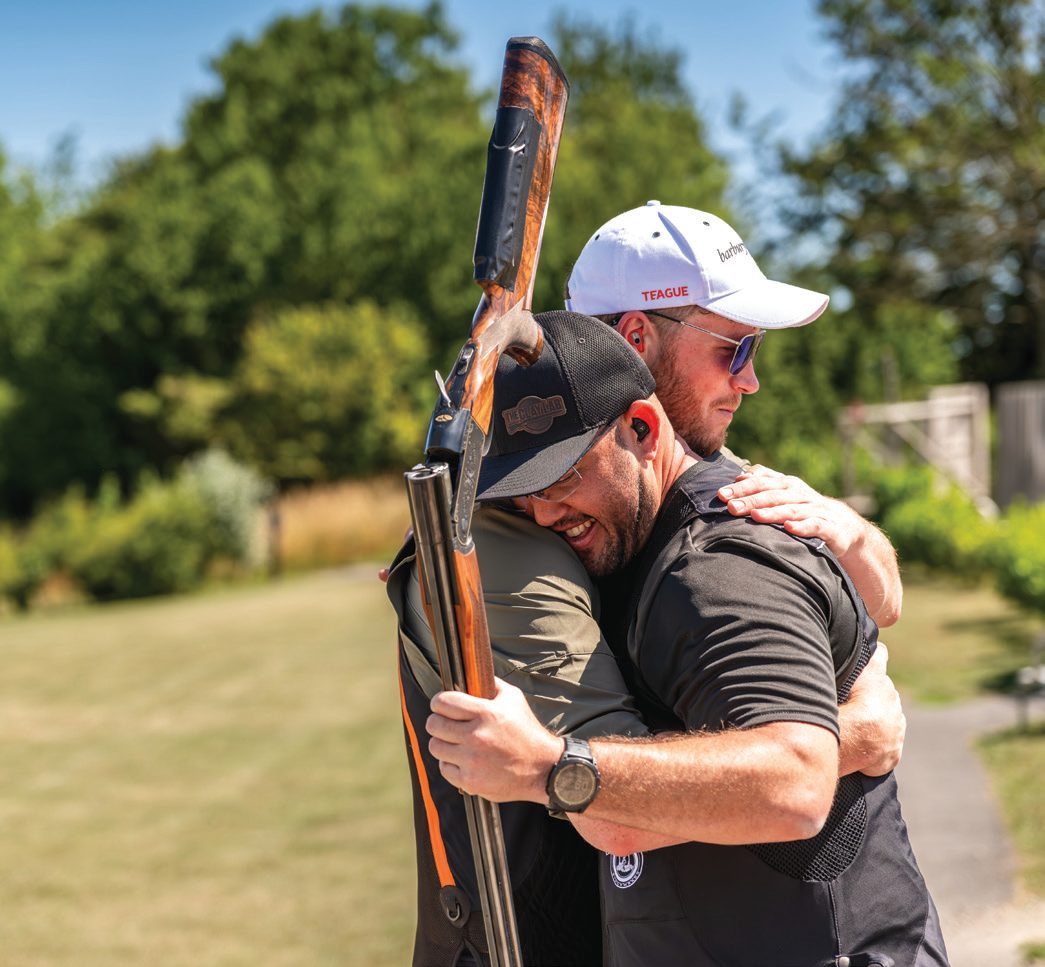
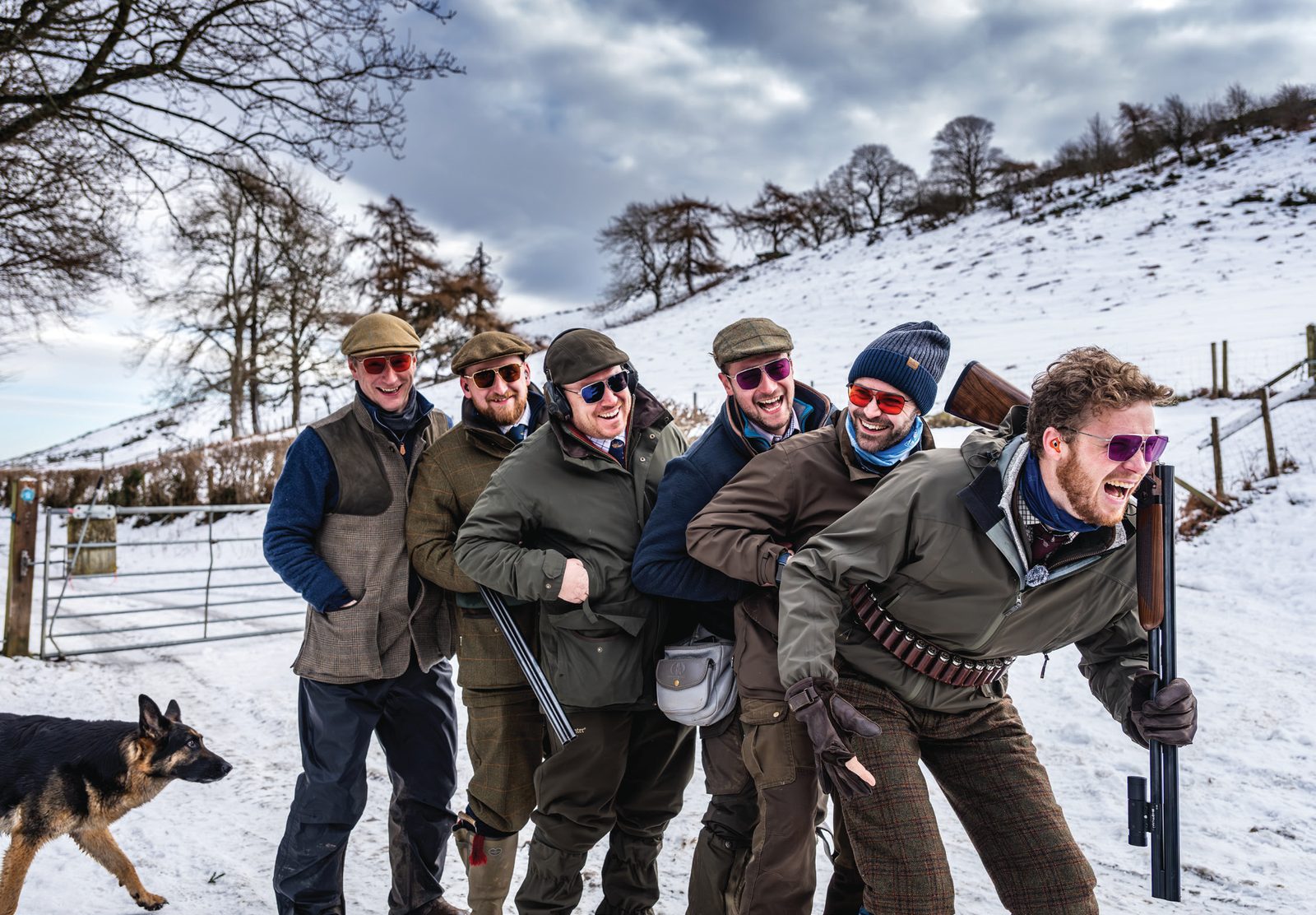
Six mates. About 40 birds. Preferably wild. Formal enough that there’s a bit of ceremony, informal enough that I can still swear and take the piss. Everybody there has already killed enough birds in their life not to panic if they have a quiet day. I also want it to be less than a couple of hours’ drive away. That’s the dream for me now.
What’s the biggest challenge now?
Time. Easily.
I’ve got three kids and I adore them. At the same time this job involves huge amounts of travel. Nine months of the year I’m away every couple of weeks. That genuinely hurts sometimes.
Then on top of that the projects keep getting bigger. We’ve just spent nearly a month on one World Sporting film between filming and editing. People see a 45-minute film and don’t realise that can be 20 days or more of work.
What do you think are the biggest threats to shooting?
Urbanisation. The more disconnected people become from food and the countryside, the harder it becomes for them to understand shooting.
I also think parts of shooting will inevitably have to change. That’s just reality. I think some aspects of huge bird releases are going to face serious challenges over time and we need to be honest about that. That doesn’t mean I’m anti-shooting – far from it. I just think we need to be realistic if we want the sport to survive long term.
What advice would you give someone wanting to work in the shooting industry?
Get a real job. No, honestly – you have to genuinely love it. Not lust after it. Truly love it.
This is a lifestyle industry. Most people in it are never going to become rich. Even successful people are usually still closer to the breadline than investment bankers. But equally, imagine having a bad day doing something you hate. That must be horrific. I wake up every day grateful I get to do this, even when it’s stressful.
What would people be surprised to learn about you?
Probably that I’m actually quite liberal, or just how much of a complete idiot I really am. I think I come across fairly respectable on camera. In reality I’m basically a child with a mortgage.
Frequently Asked Questions
What is TGS Outdoors?
TGS Outdoors is a British shooting media platform co-founded by Jonny Carter. It grew out of a gunshop in Botley and now produces films covering clay competitions, hunting trips, gunmakers and gunshops for a global audience through its YouTube channel.
Who is Sasha at TGS Outdoors?
Sasha is the cameraman Jonny Carter hired in 2018 after canning the company’s advertising spend to focus on video. Jonny rates him as one of the best cameramen he has ever seen, and the two have worked closely together to build TGS Outdoors ever since.
What was The Grouse Shooting Problem documentary?
The Grouse Shooting Problem was TGS Outdoors’ first proper documentary and the turning point for the business. Financially backed by Tim Weston through the NGO, it was filmed over five days up north and showed Jonny and the team they could produce meaningful content and make a living from it.
Get the latest news delivered direct to your door
Subscribe to Sporting Gun
Sporting Gun has been the trusted voice of the shooting community since 1978, and a subscription is the best way to make sure you never miss a word of it.
For just £4.99 an issue – 37% less than the newsstand price – you’ll receive Britain’s leading shooting magazine delivered to your door before it hits the shelves. Every issue is packed with expert gundog training advice, in-depth shotgun and cartridge reviews, technique features from professional shots, pigeon and wildfowling coverage and the people and stories that define the sport.
In a world of endless scrolling, a magazine is something different – a moment to slow down, read properly and absorb knowledge that makes you a better shot. Back issues become a reference library worth keeping.